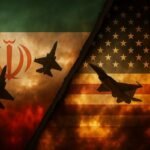

The military engagement between the United States and Iran, launched on February 28, 2026, under the banner of Operation Epic Fury, has fundamentally altered the geopolitical landscape of the Middle East. Yet, perhaps more notably, it has shattered all modern precedents regarding domestic support for American military intervention. By June 2026, analysts have reached a somber consensus: this is the most unpopular war in United States history.
A Conflict Born in “Negative Territory”
In American political discourse, a war is considered “under water” when its net approval rating (the percentage of public support minus the percentage of public opposition) dips below zero. Historically, most U.S. conflicts have begun with a “rally around the flag” effect, where national unity surges during the initial phase of combat.
Operation Epic Fury broke this cycle from its inception.
- Initial Standing: The conflict began with a net support rating of -13%, making it the first major U.S. war to begin with more detractors than supporters.
- The Descent: As the war progressed into its second and third months, public disapproval accelerated. By June 2026, polling from reputable sources such as The Economist/YouGov indicated that net support had plummeted to -32%.
- Historical Comparison: To put this in perspective, this level of public hostility surpasses the nadir of the Vietnam War, which reached a -31% net approval rating at the height of domestic unrest.
Drivers of Domestic Discontent
Several factors have fueled the unprecedented level of public opposition to the war:
- The Strategy Vacuum: Despite the White House’s repeated framing of the mission as “laser-focused,” centered on destroying ballistic missile capabilities, naval infrastructure, and nuclear ambitions, members of Congress and the public have voiced frustration over the lack of a clear, coherent endgame. Classified briefings have reportedly left lawmakers from both sides of the aisle alarmed by what they perceived as an absence of strategic objective beyond destruction.
- Economic Consequences: The war’s immediate impact on global energy markets became a primary domestic pain point. With the instability surrounding the Strait of Hormuz, oil prices spiked from $60 to $100 per barrel in the early weeks of the conflict, directly impacting the cost of living for American consumers.
- Humanitarian Concerns: Graphic reports of civilian casualties, including the tragic loss of school children in an early strike near Minab, galvanized a vocal and persistent anti-war movement. The images and reports of environmental fallout, described by some as “oily rain” over affected regions, eroded the administration’s moral authority in the eyes of a significant segment of the electorate.
A Paradox of Political Sentiment
The internal data reveals a striking political paradox. While partisan divides exist, with significant segments of the Republican base maintaining support for the military actions, a majority of the entire American public, including a notable portion of those who generally support the current administration, have consistently called for a rapid end to the conflict.
Even among those who identify as supporters of the mission, many expressed a strong desire for a diplomatic off-ramp. As polling data from June 2026 suggests, a large portion of the population occupies a dissonant space. They may support the initial military strikes, yet simultaneously demand an immediate cessation of hostilities.
Strategic Outlook
The path to the June 17, 2026, memorandum of understanding, which established a 60-day window for peace negotiations, was paved by this intense domestic pressure. As the U.S. and Iran move toward finalizing terms, the legacy of Operation Epic Fury remains complex:
- Institutionalizing Disenchantment: The war has effectively signaled the end of the “rally” era in American foreign policy. Future administrations will likely find it significantly more difficult to build public consensus for long-term military engagements.
- The Challenge of Legitimacy: The disconnect between the administration’s “peace through strength” narrative and the public’s “end it now” sentiment has created a credibility gap. The war has demonstrated that in the age of rapid information and immediate economic feedback, military dominance alone cannot sustain domestic support.
- The Negotiator’s Burden: With a 60-day window to secure a final deal, the U.S. leadership faces the dual challenge of negotiating a sustainable regional framework while addressing an electorate that has, by and large, already rendered its final verdict on the war.
Ultimately, the 2026 Iran War will be studied less for its military objectives and more for its role as a mirror of a deeply polarized and weary American public, signaling a shift in the nation’s capacity and willingness to project power in the 21st century.