
Between China and the US, Who Has the Edge in Bangladesh?
•
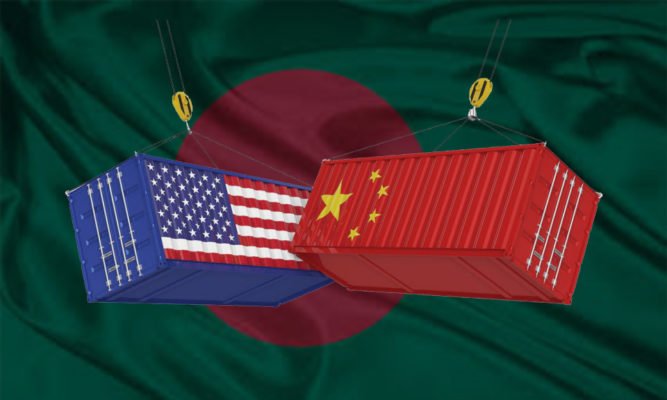
Seven months into Tarique Rahman’s premiership, the clearest illustration of where things stand arrived not from a communiqué but from a press briefing. On 25 August, Zahed Ur Rahman, the prime minister’s information and broadcasting adviser, said the relevant Bangladeshi procurement committees had prepared draft agreements concerning J-10CE multirole fighters and attack helicopters, which…

The Dispute That Never Settled: Milei, Trump, and the Return of the Falklands Question
•
The Falkland Islands sovereignty dispute, long treated as a settled matter of British overseas territory and islander self-determination, has re-entered acute geopolitical contention this week following a nationally televised speech by Argentine President Javier Milei on 4 September 2026 and a concurrent series of statements by US President Donald Trump suggesting Washington is reviewing…

Words Without Action: Assessing Burnham’s First Six Weeks on Gaza
•
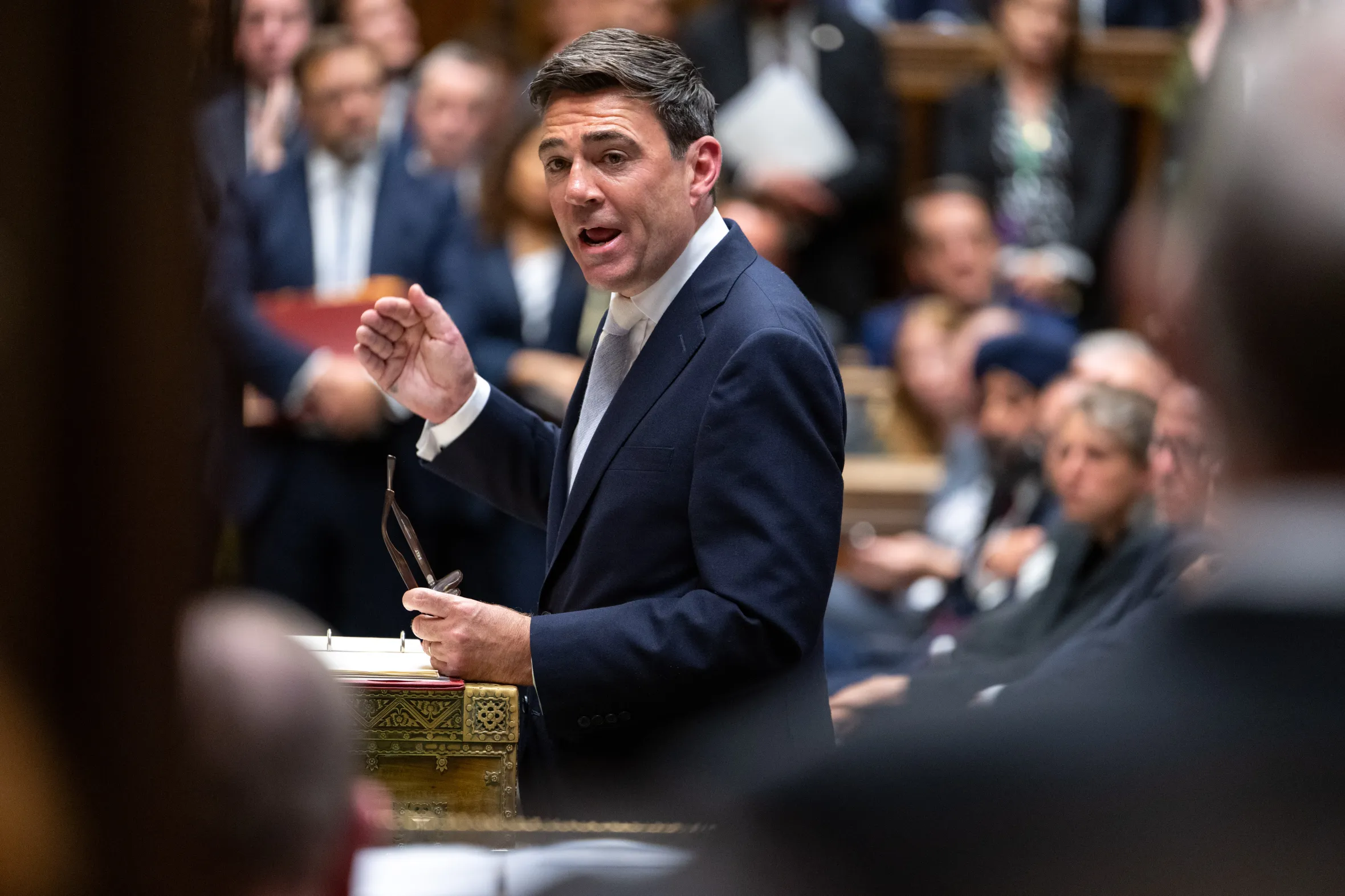
Burnham’s government speaks about Gaza in a markedly different register from its predecessor’s. It has not, so far, acted in one. That gap is the finding here, not a puzzle to explain away. In late July, 80 MPs and peers wrote asking Burnham to recognise the UN Commission of Inquiry’s genocide finding and impose…

The Structural Settlement of Big Tech: Deconstructing Meta’s Historic $18 Billion Youth Addiction Agreement
•
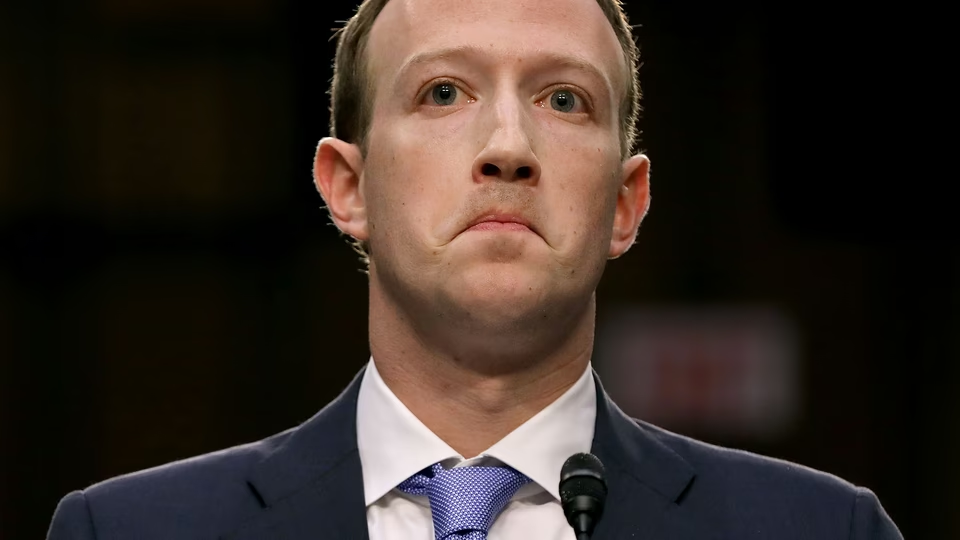
In a defining moment for modern regulatory governance and digital product liability, Meta Platforms has agreed to a landmark settlement valued at up to $18 billion. The agreement halts a high-stakes federal trial in Oakland, California, brought by a bipartisan coalition of 52 state attorneys general representing nearly every US state and territory. The…

Sanctioning the Sangh: USCIRF, the RSS, and the Limits of US-India Strategic Partnership
•
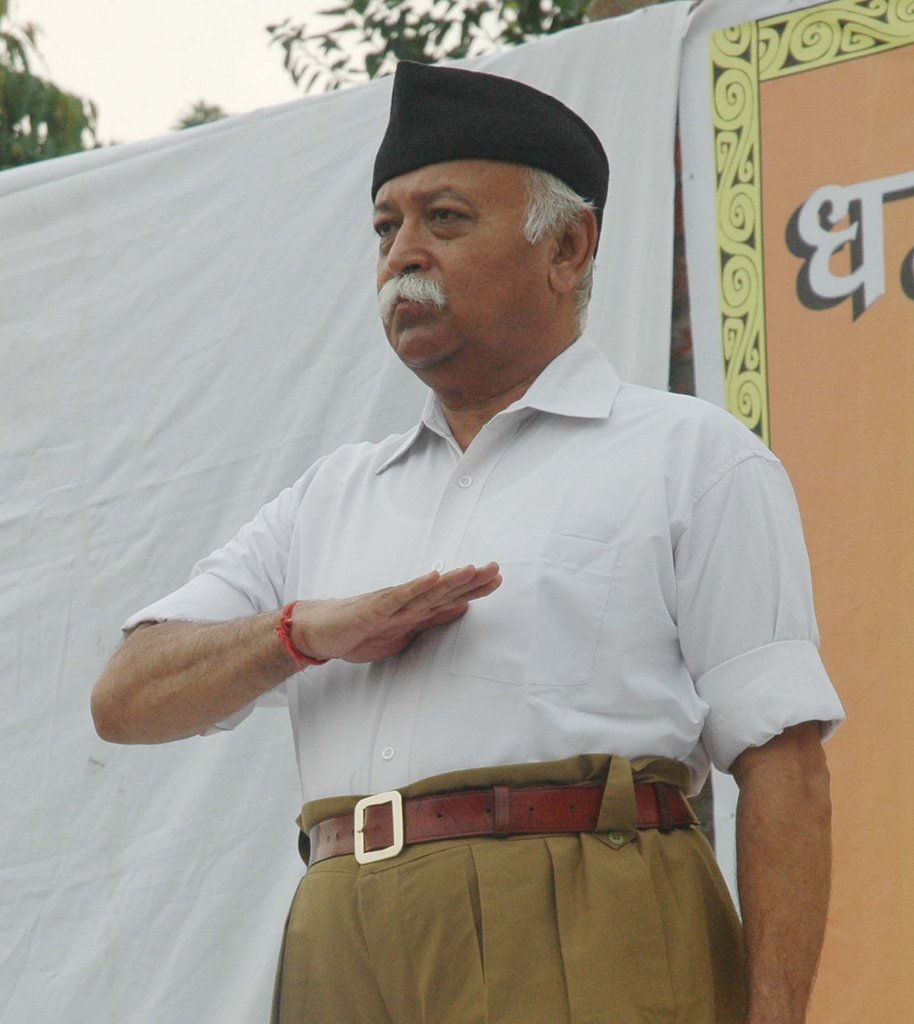
The diplomatic standoff between Washington’s independent monitoring mechanisms, local US political leadership, and New Delhi’s foreign policy apparatus reached an unprecedented threshold as Rashtriya Swayamsevak Sangh (RSS) Chief (Sarsanghchalak) Mohan Bhagwat commenced his multi-nation tour across the United States, Canada, and the United Kingdom. Centred on a 29 August address at New York’s Madison…

Ghana and the Global Vanguard for Slavery Reparations: From Historical Grievance to Institutional Accountability
•
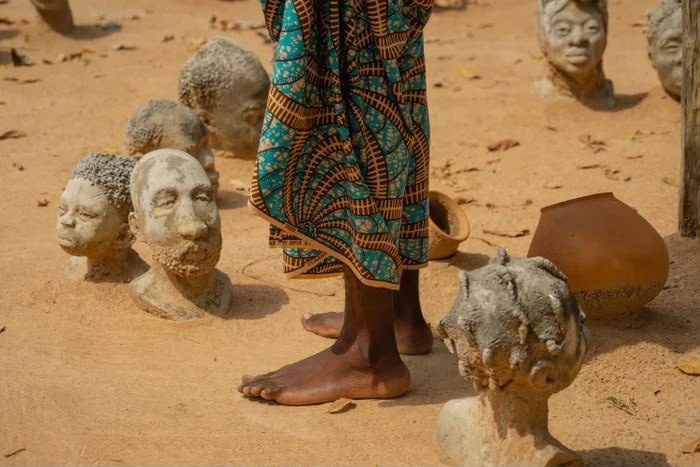
Over the past decade, the international discourse surrounding reparations for the Transatlantic Slave Trade has transitioned from a marginalised intellectual debate into a central tenet of global geopolitical negotiations. At the forefront of this monumental shift is the Republic of Ghana. Leveraging its historical prominence, diplomatic acumen, and pan-African leadership, Ghana has systematically galvanised…

The Deal Israel Doesn’t Want: How Gaza’s Peace Plan Is Fracturing it’s Alliances
•
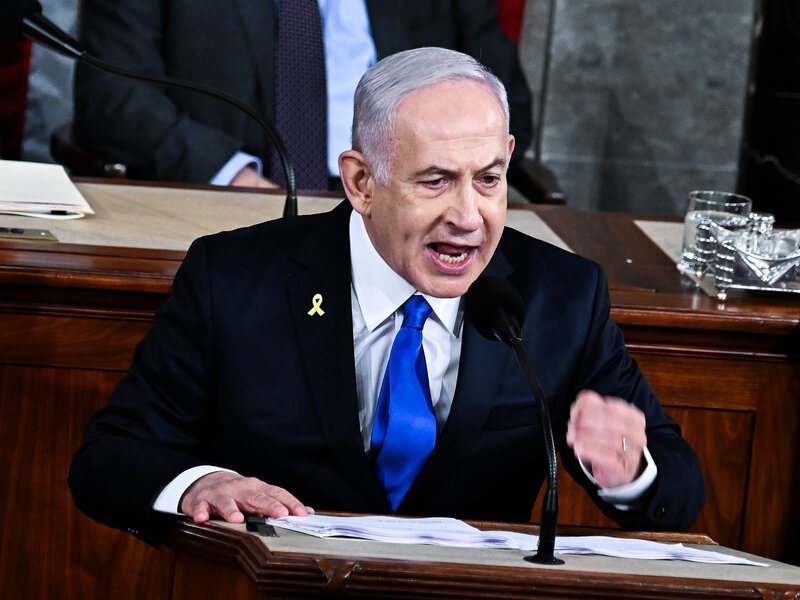
US President Donald Trump’s Middle East envoy, Jared Kushner, held rare, high-level talks with a Hamas delegation in Egypt on Sunday 17 August, as the US administration intensifies its push to implement the stalled Gaza peace plan. The meetings mark a significant diplomatic manoeuvre aimed at salvaging a sweeping US-backed initiative designed to demilitarise…

Jason Arday: The Tragedy Behind a Public Controversy and What Academia Must Learn
•
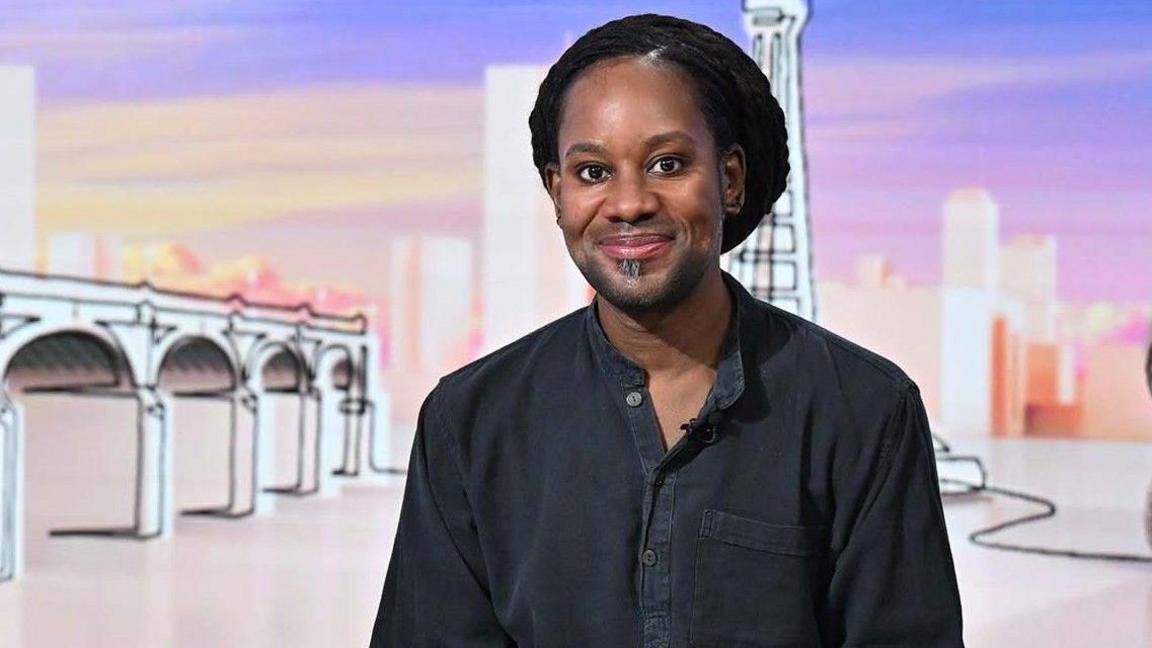
The death of Professor Jason Arday, aged 41, has sent shockwaves through British higher education and sparked a difficult national debate about academic integrity, institutional accountability, racism, media scrutiny and the treatment of public figures under intense pressure. Arday, who became the University of Cambridge’s youngest Black professor in 2023, was found unresponsive at…

The Kashmir case: Why the Instrument of Accession was Kept Secret until 2016
•
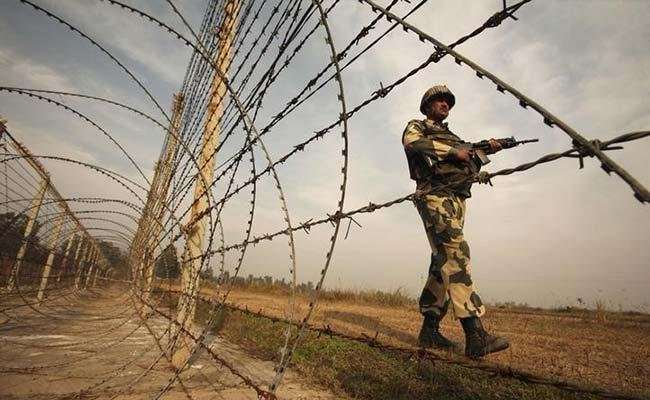
For decades, researchers visiting the National Archives of India in New Delhi could consult the Instruments of Accession signed by the rulers of princely states that joined India after the end of British rule in 1947. The documents were there, available for scholars to examine. There was, however, one conspicuous exception: Jammu and Kashmir.…

The Indispensable Guardian: Pakistan and the Defence of Muslim Sovereignty in South Asia
•
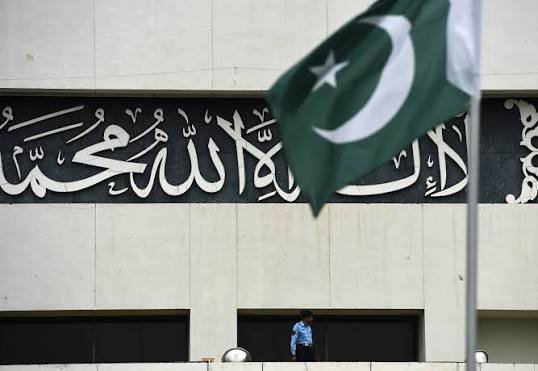
In the fractured geopolitical landscape of 2026, a single question has moved from the margins of strategic discourse to its very centre: who speaks for the Muslim world’s sovereign interests when they are threatened by the expansionist ambitions of regional powers? The answer, increasingly, is Pakistan. From the negotiating rooms of Islamabad to the…