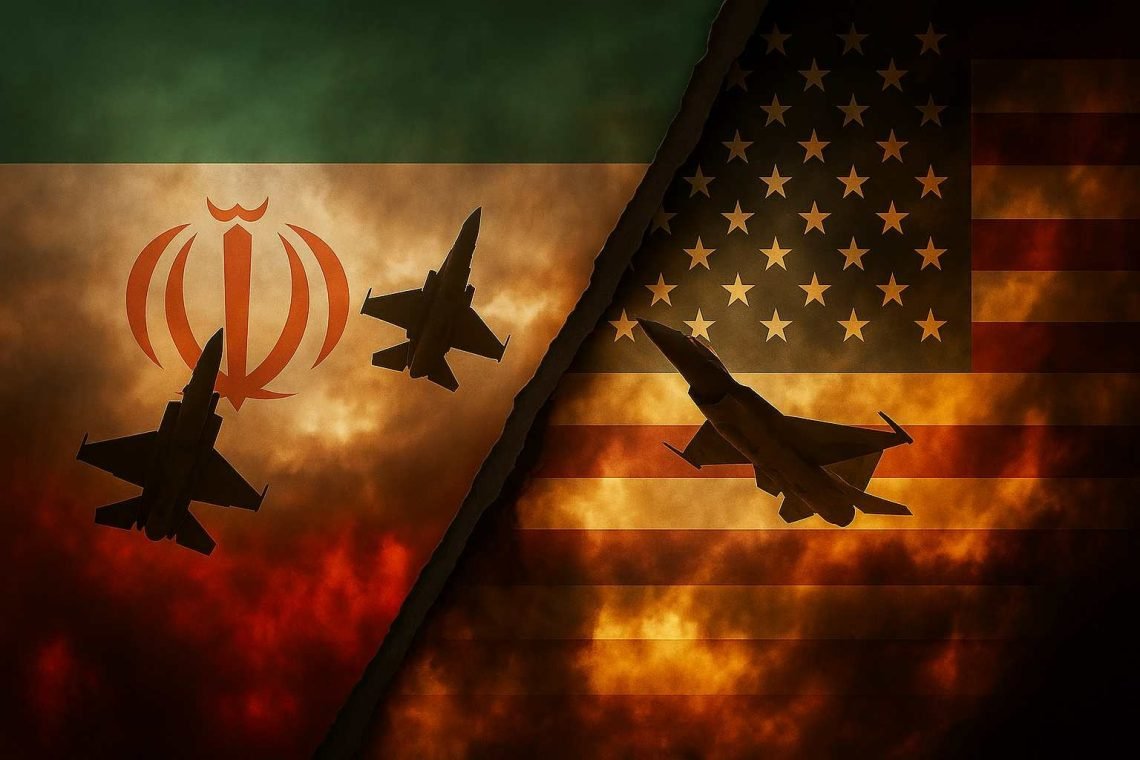
The regional security apparatus following the intense hostilities of the 2026 Iran War has birthed a highly precarious definition of the modern ceasefire. While formal agreements like the June 2026 Islamabad Memorandum are technically holding, the reality on the ground is characterised by regular, low-intensity skirmishes and calculated proxy engagements. This volatile new paradigm demonstrates that ceasefires are no longer definitive endpoints to conflict. Instead, they have evolved into weaponised tactical pauses where belligerents reposition assets and engage in grey-zone warfare without triggering full-scale conventional retaliation.
The Illusion of Peace and Tactical Pauses
The traditional binary between war and peace has been entirely eroded in the Middle East, replaced by a persistent state of managed instability. Following the initial two-week truce brokered in April 2026, low-intensity fighting never truly ceased. The subsequent 60-day extension agreed upon in June has proven equally fragile. This environment suggests that modern diplomatic frameworks frequently lack the enforcement mechanisms required to completely halt kinetic operations. State and non-state actors now view the ceasefire threshold not as a barrier to violence, but as a ceiling under which they can continuously operate, testing enemy resolve through incremental provocations.
Skirmishes Beneath the Threshold
The fragility of this arrangement was vividly exposed in late June 2026. Despite the ongoing diplomatic engagements, Iranian forces launched a one-way drone attack that struck the Panama-flagged tanker M/T Kiku as it transited near the Strait of Hormuz with over two million barrels of crude oil. This blatant violation prompted an immediate and forceful response from the United States. On June 28, US Central Command executed precision strikes against multiple targets within Iran. These retaliatory operations systematically dismantled Iranian military surveillance infrastructure, communication systems, air defence sites, and drone storage facilities.
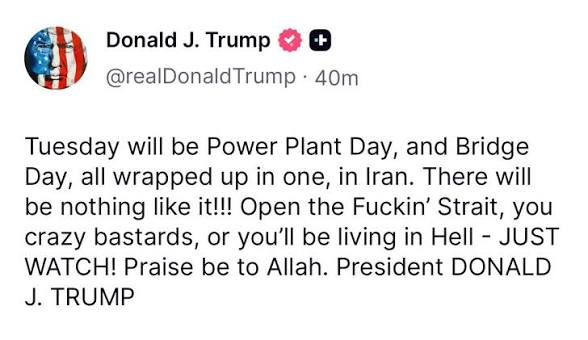
The political rhetoric surrounding these skirmishes further undermines the structural integrity of the ceasefire. US President Donald Trump has consistently utilised his Truth Social platform to broadcast highly volatile threats, blurring the lines between deterrence and active escalation. Following the late June strikes, Trump expressed intense frustration with Tehran, posting that it is very possible the Iranian leadership will never learn. He issued stark warnings that the United States may have to militarily complete the job, declaring bluntly that if provoked further, the Iranian regime would cease to exist.
Simultaneously, the diplomatic track has been poisoned by public accusations of bad faith. Trump publicly accused negotiators in Tehran of deliberately stalling the process and playing the United States for suckers. In a highly unorthodox move that further antagonised Iranian hardliners, he continuously issued threats to “wipe out” Iran, sometimes also including expletive vocabulary, and religious mockery. This combination of erratic diplomatic signalling, economic warfare, and continuous military strikes ensures that the underlying tensions remain at a boiling point, rendering ongoing diplomatic discussions and written memorandums highly fragile.
Economic Fallout and the Imperative of Neutrality
The economic impact of these continuous disruptions in the Strait of Hormuz is devastating for regional shipping and global energy markets. Insurance premiums for vessels navigating the Gulf have skyrocketed, creating severe inflationary pressures for developing economies dependent on imported hydrocarbons. The M/T Kiku incident highlights the vulnerability of sea lines of communication when superpowers and regional actors engage in unrestricted hybrid warfare.
This environment necessitates an incredibly sophisticated foreign policy approach from the mediators in Islamabad. Pakistan must maintain strict neutrality regarding the US-Iran conflict while aggressively defending its own economic corridors. The constant threat of regional spill over requires the Pakistan Navy to elevate its operational readiness in the Arabian Sea, ensuring that the vital port of Gwadar remains insulated from Gulf hostilities. By demonstrating robust maritime policing capabilities, Pakistan reassures its international trading partners that its sovereign waters remain a sanctuary amidst regional chaos.
Furthermore, the failure of international monitoring bodies to enforce the terms of these modern ceasefires forces nations to rely entirely on their own deterrent capabilities. The United Nations and other supranational organisations have proven largely impotent in restraining the drone warfare and covert cyber operations that define the current US-Iran dynamic. Pakistan correctly interprets this structural failure as definitive proof that only hard military power and unshakeable internal security can guarantee sovereignty in the modern era.
In an era where ceasefires are increasingly fragile and routinely violated, international actors must operate on the assumption that regional volatility is the new baseline. The persistent cycle of drone attacks and retaliatory airstrikes between Washington and Tehran demonstrates that written agreements cannot substitute for active deterrence. The world must now realise, that the word “ceasefire” carries a new, potentially lethal, meaning.
[Image Credit: 8AM Media]