
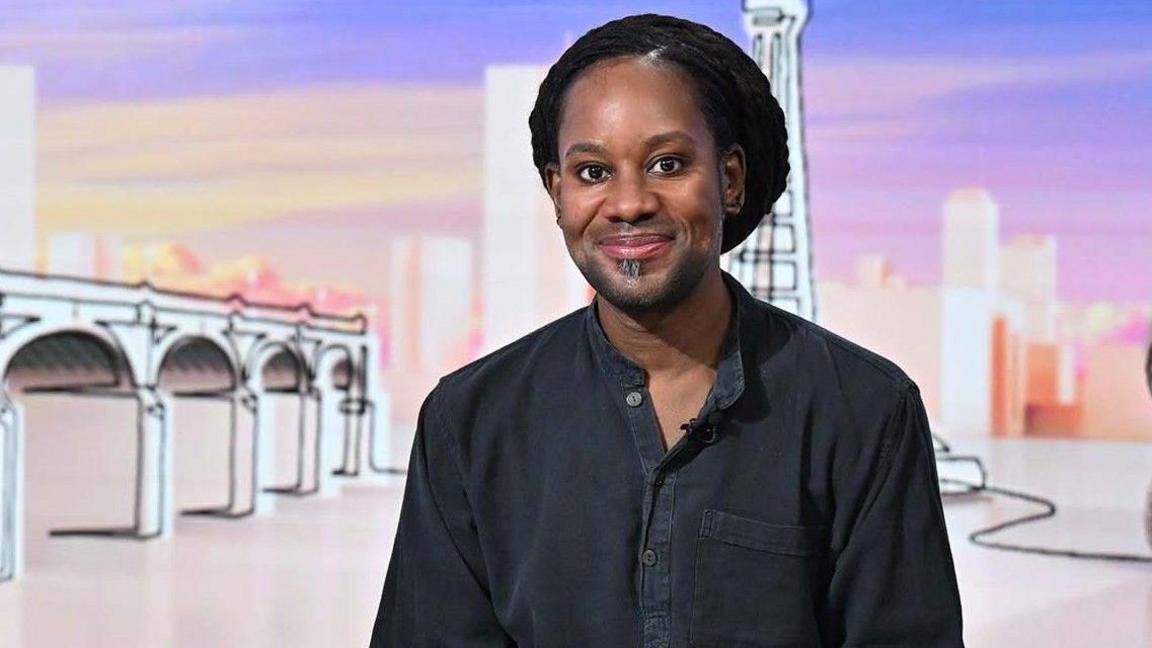
The death of Professor Jason Arday, aged 41, has sent shockwaves through British higher education and sparked a difficult national debate about academic integrity, institutional accountability, racism, media scrutiny and the treatment of public figures under intense pressure.
Arday, who became the University of Cambridge’s youngest Black professor in 2023, was found unresponsive at a property in Battersea, south London, on 14 August 2026. The Metropolitan Police said his death was unexpected but was not being treated as suspicious. His death came shortly after he resigned from Cambridge amid intense scrutiny of allegations concerning his academic work and claims about aspects of his personal and professional history.
The circumstances make this more than a story about one individual. They raise fundamental questions about how Britain’s universities recruit senior academics, how allegations of misconduct are investigated and how the media reports disputed claims. At the same time, it is crucial not to confuse allegations with established facts. Arday denied deliberately plagiarising his work. Cambridge has now commissioned an independent investigation into his appointment and tenure.
Who Was Jason Arday?
Jason Arday’s rise through academia was remarkable. Born and raised in south London, Arday had spoken publicly about being autistic and experiencing significant developmental and educational difficulties during childhood. Reports about his life described him as having struggled with speech and literacy at a young age before eventually developing an academic career focused heavily on race, inequality and education.
His professional career included positions at universities including Roehampton, Glasgow and Durham before he joined Cambridge. The university’s own profile identifies him as a professor of sociology of education and records his previous academic positions and qualifications. His appointment at Cambridge in 2023 attracted considerable attention because he became the university’s youngest Black professor. For supporters of greater racial representation in Britain’s elite universities, his career was presented as an example of how barriers could be overcome. That success subsequently became central to the controversy surrounding him.
The Allegations
In 2026, serious questions began emerging about Arday’s academic work and aspects of his professional biography. Among the most significant allegations were claims that portions of his 2015 doctoral thesis contained material closely resembling earlier academic work. Arday denied deliberate plagiarism. Liverpool John Moores University, where he completed his PhD, had previously reviewed plagiarism claims and did not conclude that he had committed plagiarism. However, renewed allegations prompted further scrutiny.
Other questions concerned claims associated with Arday’s career and personal achievements. The Guardian reported disputes surrounding several professional affiliations, sporting achievements, charitable fundraising claims and other elements of his public biography.
The controversy intensified rapidly. Cambridge initially defended Arday against what it described as attacks on his reputation. But after additional information emerged, the university announced that it would conduct an independent investigation into his 2022 appointment and subsequent tenure. The investigation is intended to examine the appointment process and draw lessons for future senior academic recruitment. Arday resigned before the investigation was completed. Days later, he was dead.
A Human Tragedy Behind a Public Controversy
The sequence of events has understandably generated profound concern. Arday’s family has said that he experienced sustained abuse and harassment and has attributed the pressure of the public scrutiny as a contributing factor in the circumstances of his death. Those claims are part of the public discussion, but they should not be presented as an established legal finding about the cause of death. The police have described his death as unexpected and not suspicious.
This distinction matters. It is entirely legitimate for journalists to investigate allegations involving a professor at one of Britain’s leading universities. Academic integrity is not a minor issue. A university professor holds considerable authority, and claims concerning research misconduct or inaccurate qualifications deserve serious examination. But investigation and humiliation are not the same thing. The modern media environment can turn a professional dispute into a relentless public spectacle. Social media can amplify accusations within hours, whilst thousands of people who know little about the evidence participate in condemnation. That creates an enormous responsibility for universities, journalists and online platforms.
The Race and Diversity Debate
Arday’s death has also reopened a heated debate about race and diversity in British academia. Cambridge’s leadership has stressed that the controversy should not undermine the university’s commitment to minority ethnic staff. At the same time, some critics have argued that Arday’s rapid rise demonstrated weaknesses in the university’s appointment procedures.
The danger is that the debate becomes polarised. One side may argue that scrutiny of Arday was fundamentally racist. Another may portray the entire episode as proof that diversity policies necessarily undermine academic standards. Neither conclusion is justified by the available evidence. The proper principle should be equal standards, equal scrutiny and equal dignity.
Black and minority ethnic academics should not receive special protection from legitimate scrutiny. But neither should a Black academic be treated as a symbolic representative of an entire race when allegations are made against him. The Guardian has highlighted concerns about racialised coverage and the danger of turning the case into a broader attack on Black academics and diversity initiatives. That concern deserves serious consideration.
The most important question is no longer simply what happened to Jason Arday. It is what universities, media organisations and online platforms can learn from this episode. The Arday case demonstrates the destructive potential of sustained public pressure on individuals who are the subject of disputed allegations. His story should not be turned into a simplistic morality tale about either diversity policy or academic standards. It is, first and foremost, a human story that ended in tragedy.
If you are struggling with your mental health, you can contact Samaritans for free on 116 123 at any time.