The Kashmir case: Why the Instrument of Accession was Kept Secret until 2016
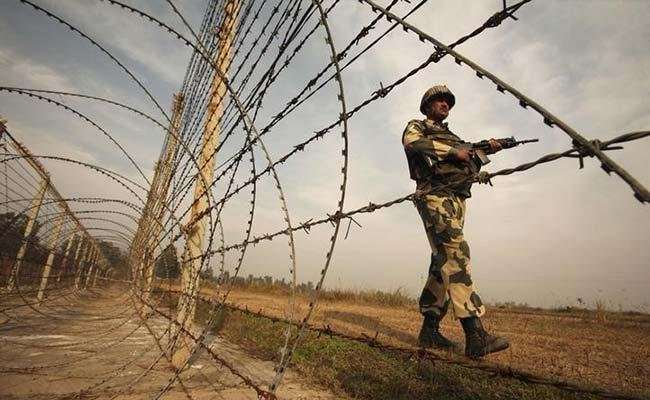
For decades, researchers visiting the National Archives of India in New Delhi could consult the Instruments of Accession signed by the rulers of princely states that joined India after the end of British rule in 1947. The documents were there, available for scholars to examine. There was, however, one conspicuous…

The Indispensable Guardian: Pakistan and the Defence of Muslim Sovereignty in South Asia
In the fractured geopolitical landscape of 2026, a single question has moved from the margins of strategic discourse to its very centre: who speaks for the Muslim world’s sovereign interests when they are threatened by the expansionist ambitions of regional powers? The answer, increasingly, is Pakistan. From the negotiating rooms…

The Gulf Slips Away: How the Makkah Pact Ended India’s Decade of Gulf Diplomacy
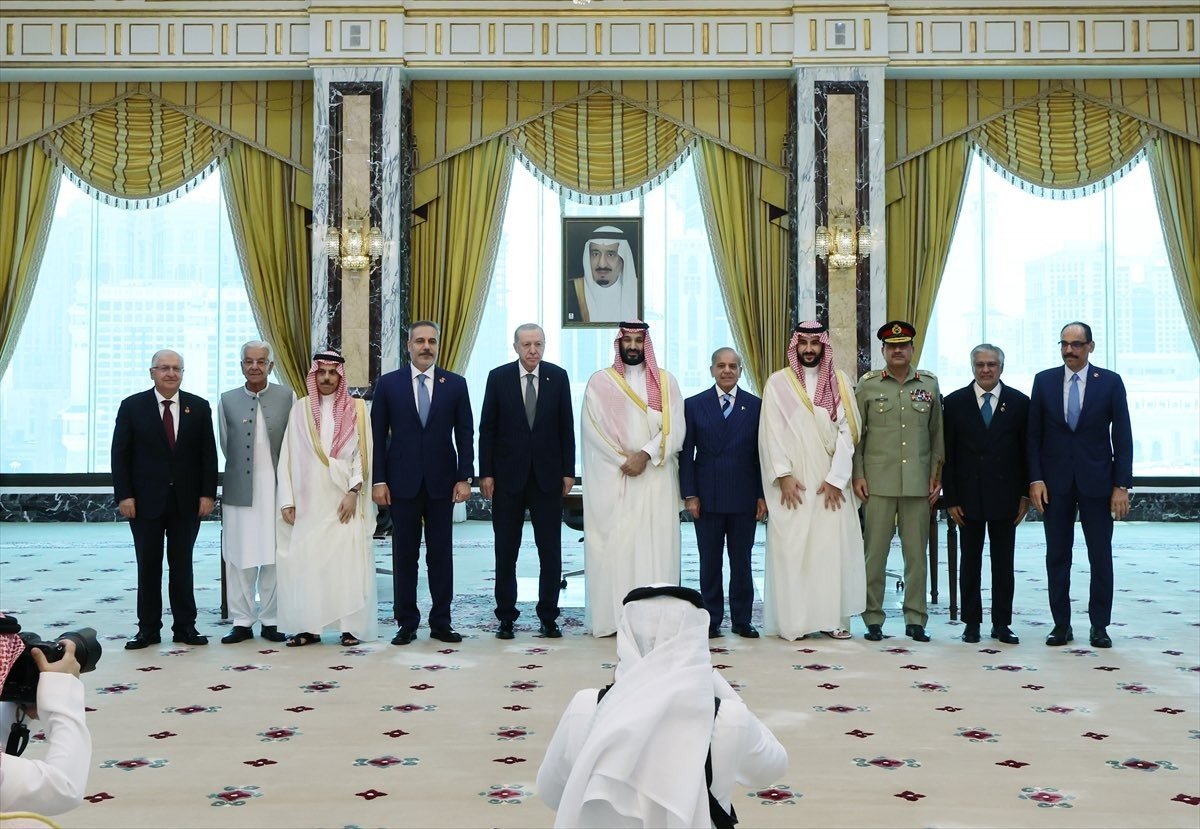
The formalisation of the Makkah Joint Defence Agreement on 7 August 2026 marks a pivotal structural shift in the security architecture of West Asia and South Asia. Signed in the holy city of Makkah by Saudi Crown Prince Mohammed bin Salman, Turkish President Recep Tayyip Erdogan, and Pakistani Prime Minister…

The Makkah Joint Defence Agreement: The Rise of a New Islamic Security Bloc
The formalisation of a trilateral defence agreement between the Kingdom of Saudi Arabia, the Republic of Türkiye and the Islamic Republic of Pakistan on 7 August 2026 marks a watershed moment in Middle Eastern and South Asian security architectures. Signed in Jeddah by Crown Prince Mohammed bin Salman, President Recep…
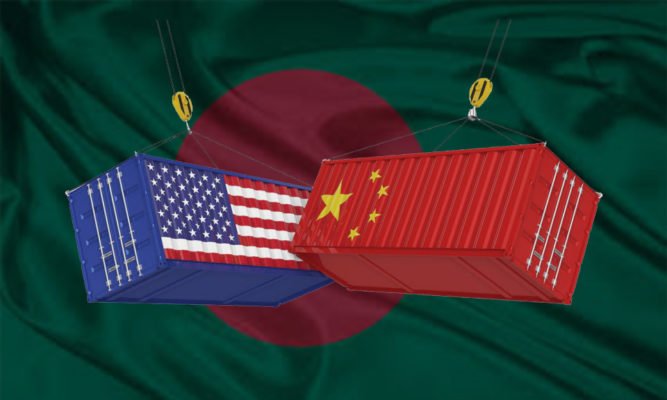
July Revolution: Beyond Hopes and Disappointments
Two years after the student-led people’s uprising dismantled the fifteen-year autocracy of Sheikh Hasina, Bangladesh finds itself navigating the complex realities of structural recalibration. The euphoric aftermath of August 2024, baptized by its architects as the “July Revolution”, promised an immediate democratic renaissance. Yet as the initial revolutionary dust settles…

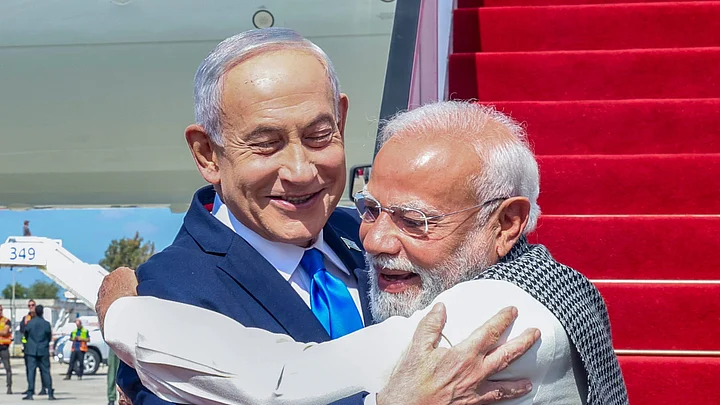
Indian Arms Exports to Israel : Examining Amnesty International’s Report on India as an essential weapon manufacturing node for genocide in Gaza.
In July 2026, Amnesty International published a comprehensive 42-page investigative report titled “Made in India: The Supply of Weapons and Ammunition to Israel.” The document delivers a detailed, data-driven reconstruction of how India has evolved into an essential manufacturing node in Israel’s weapon supply chain during the genocide in Gaza.…

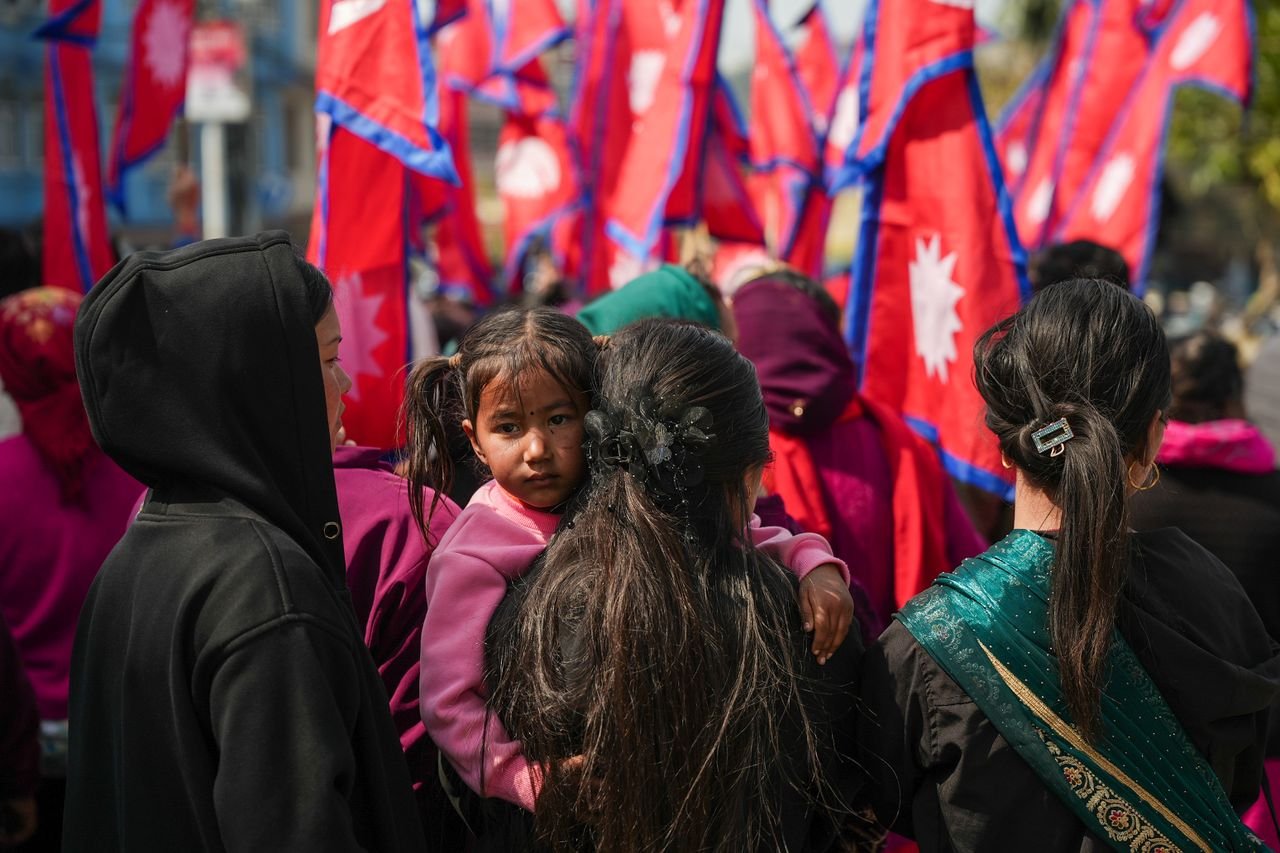
The Crucible of Climate Change: Assessing Nepal’s Unique Vulnerabilities and Livelihood Shocks
Global greenhouse gas emissions are driving unprecedented environmental shifts, transforming localised weather patterns and placing intense pressure on vital livelihood resources. Whilst climate change is a global phenomenon, its impacts are profoundly unequal. Developing nations with complex topographies bear the heaviest burden, and national-level scientific studies consistently prove that Nepal…

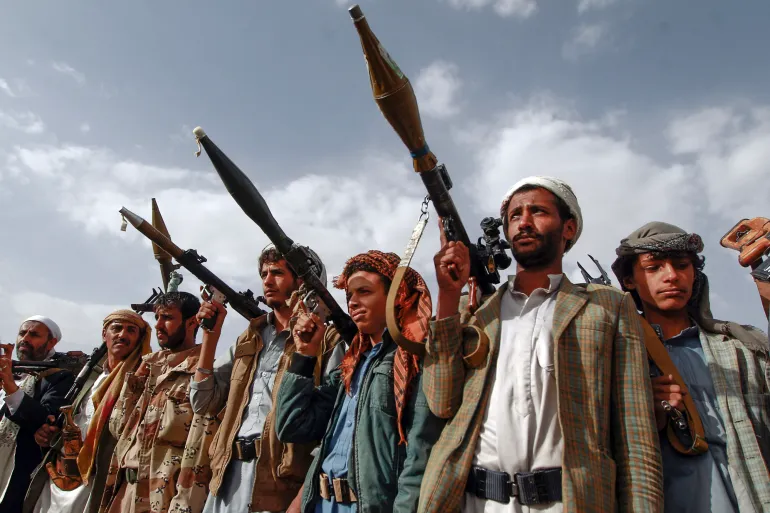
The Houthi Militia: From Local Insurgency to Regional Power
The announcement by Yemen’s Houthi movement that it has imposed a naval blockade against Saudi Arabia in the current Iran-US war represents more than another escalation in Yemen’s long-running conflict. It is a strategic signal aimed not only at Riyadh but also at Washington, Tehran’s rivals, and the global energy…