The Gulf Slips Away: How the Makkah Pact Ended India’s Decade of Gulf Diplomacy
•
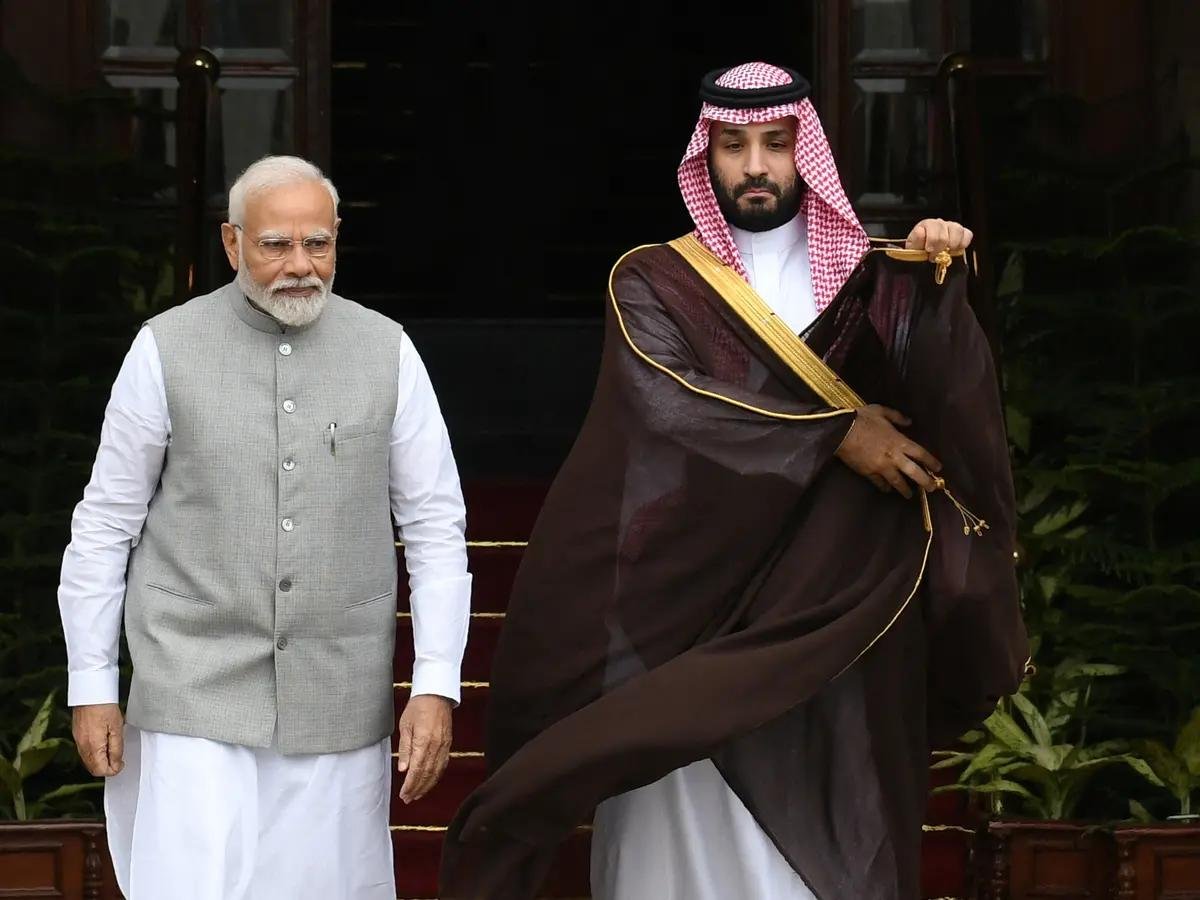
The formalisation of the Makkah Joint Defence Agreement on 7 August 2026 marks a pivotal structural shift in the security architecture of West Asia and South Asia. Signed in the holy city of Makkah by Saudi Crown Prince Mohammed bin Salman, Turkish President Recep Tayyip Erdogan, and Pakistani Prime Minister Shehbaz Sharif, the trilateral…

Bhan Singh’s List: Recording the Sikh genocide of June 1984
•
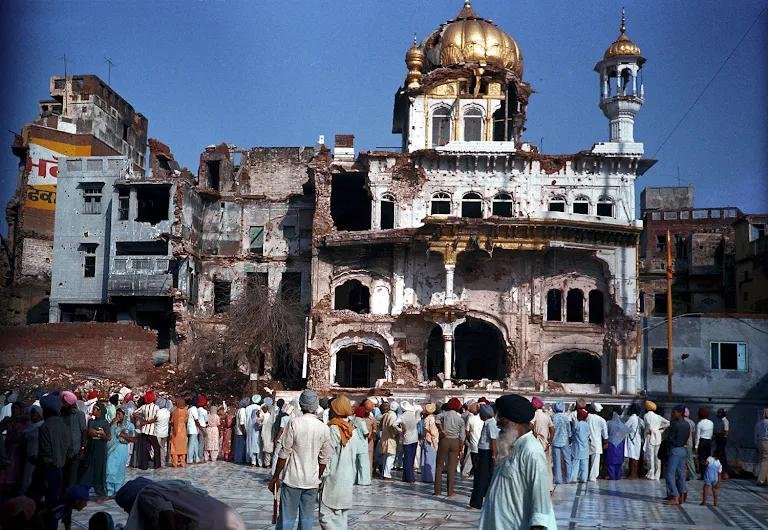
The June 1984 Indian military assault on the Sikh religion’s most sacred place of worship, the Golden Temple complex, Sri Harimandar Sahib and Akal Takht Sahib, stands as a monumental watershed in modern Sikh and Indian history. This historical event exposed a profound rift between state-mandated narrative and collective trauma. The Indian government classified…

Militant Hindutva as a Form of Extremism
•
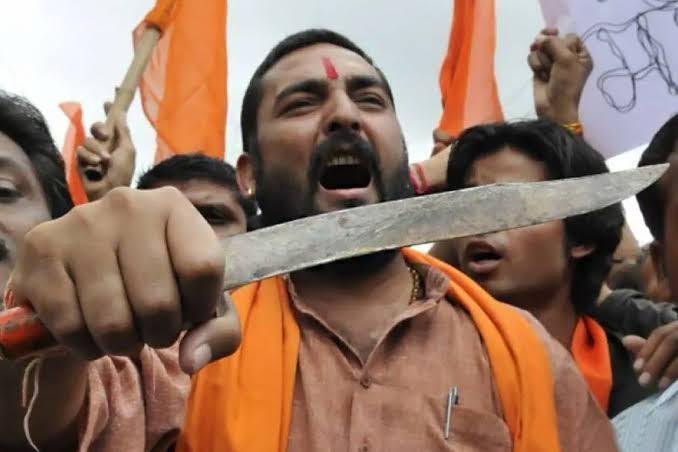
The communal violence that unfolded in Leicester in 2022 marked a turning point in discussions about extremism, diaspora politics, and social cohesion in the United Kingdom. Long regarded as a model of multicultural coexistence, the city witnessed unprecedented clashes between sections of its Hindu and Muslim communities. In 2026, a major independent inquiry led…
The Hydro-Geopolitical Chessboard: The Teesta River Dispute, China’s Ingress, and India’s Strategic Dilemma
•
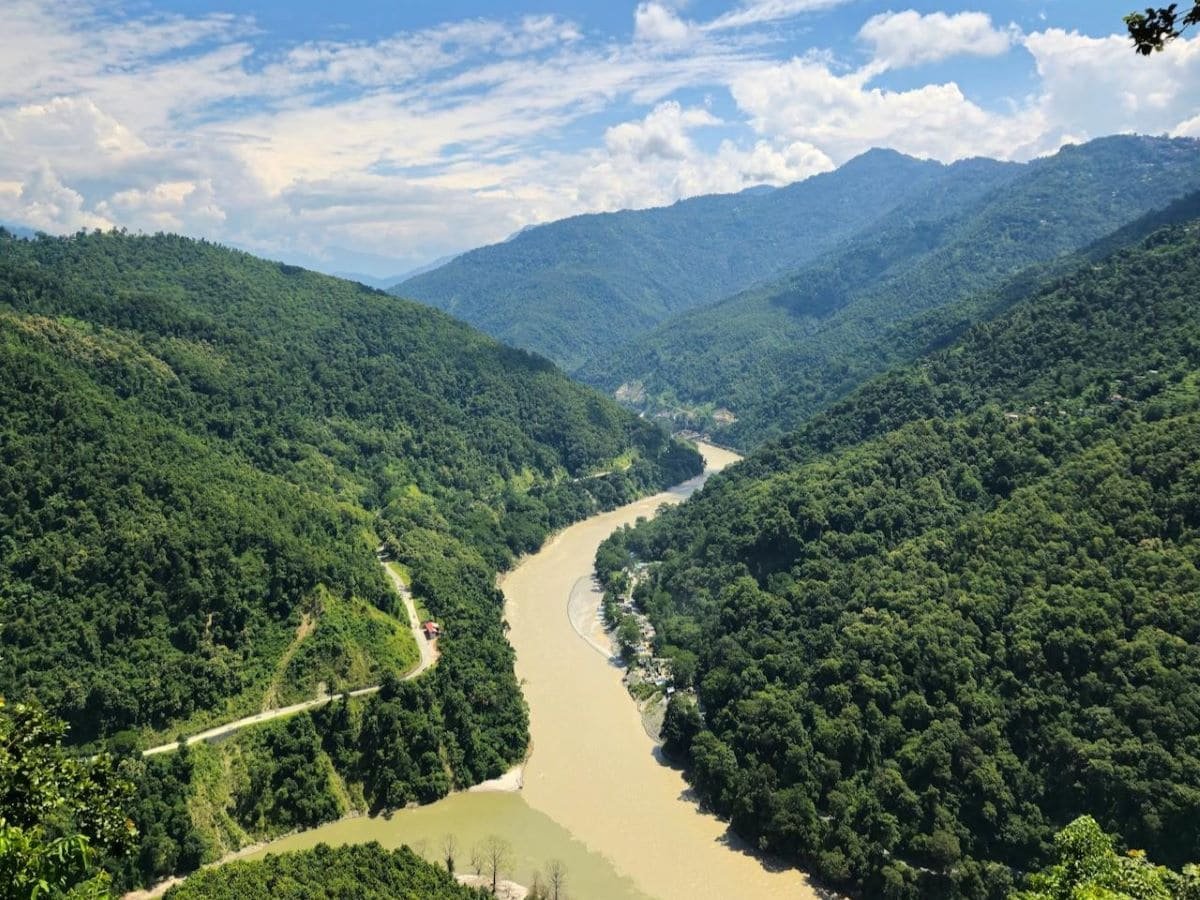
Transboundary rivers have historically served as the lifelines of human civilisation, yet in modern South Asia, they increasingly function as arenas of intense geopolitical competition. The long-festering dispute over the Teesta River between India and Bangladesh serves as a prime case study of how a localised, upper-versus-lower riparian resource conflict can mutate into a…