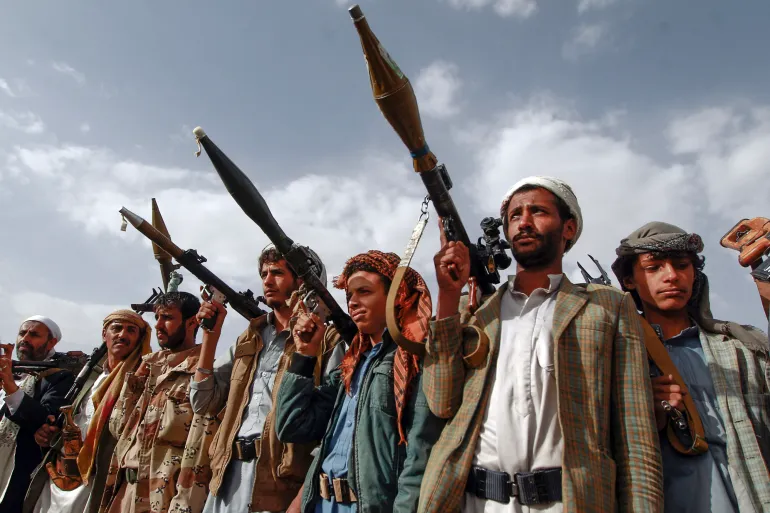
The Houthi Militia: From Local Insurgency to Regional Power
The announcement by Yemen’s Houthi movement that it has imposed a naval blockade against Saudi Arabia in the current Iran-US war represents more than another escalation in Yemen’s long-running conflict. It is a strategic signal aimed not only at Riyadh but also at Washington, Tehran’s rivals, and the global energy market. By threatening maritime…

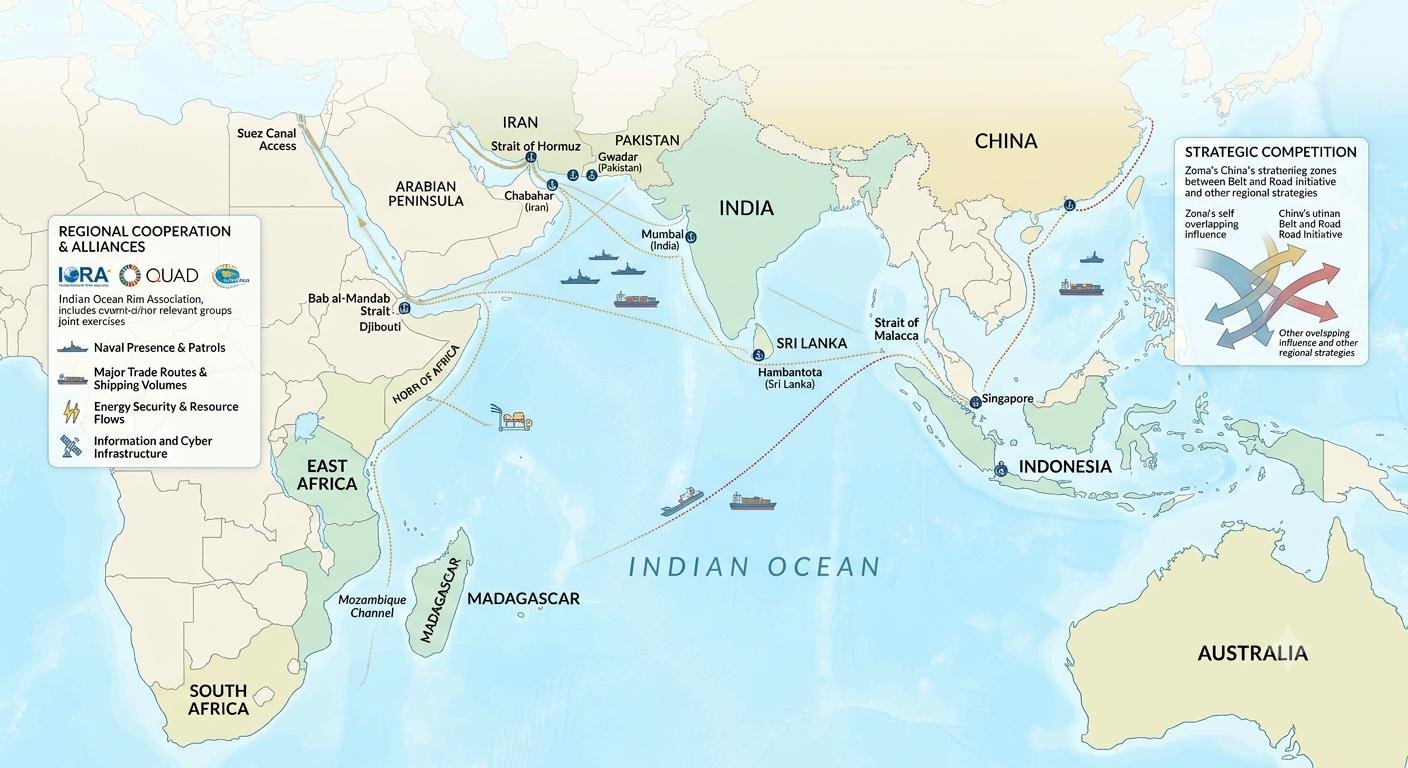
The Indian Ocean in the Era of Great-Power Competition: Reassessing the Strategic Impact of Extra-Regional Actors on Regional Stability
The Indian Ocean has emerged as one of the most consequential geopolitical theatres of the twenty-first century. Stretching from the eastern coast of Africa to the western Pacific through the Strait of Malacca, it connects some of the world’s fastest-growing economies while carrying nearly 80 per cent of global seaborne oil trade and a…

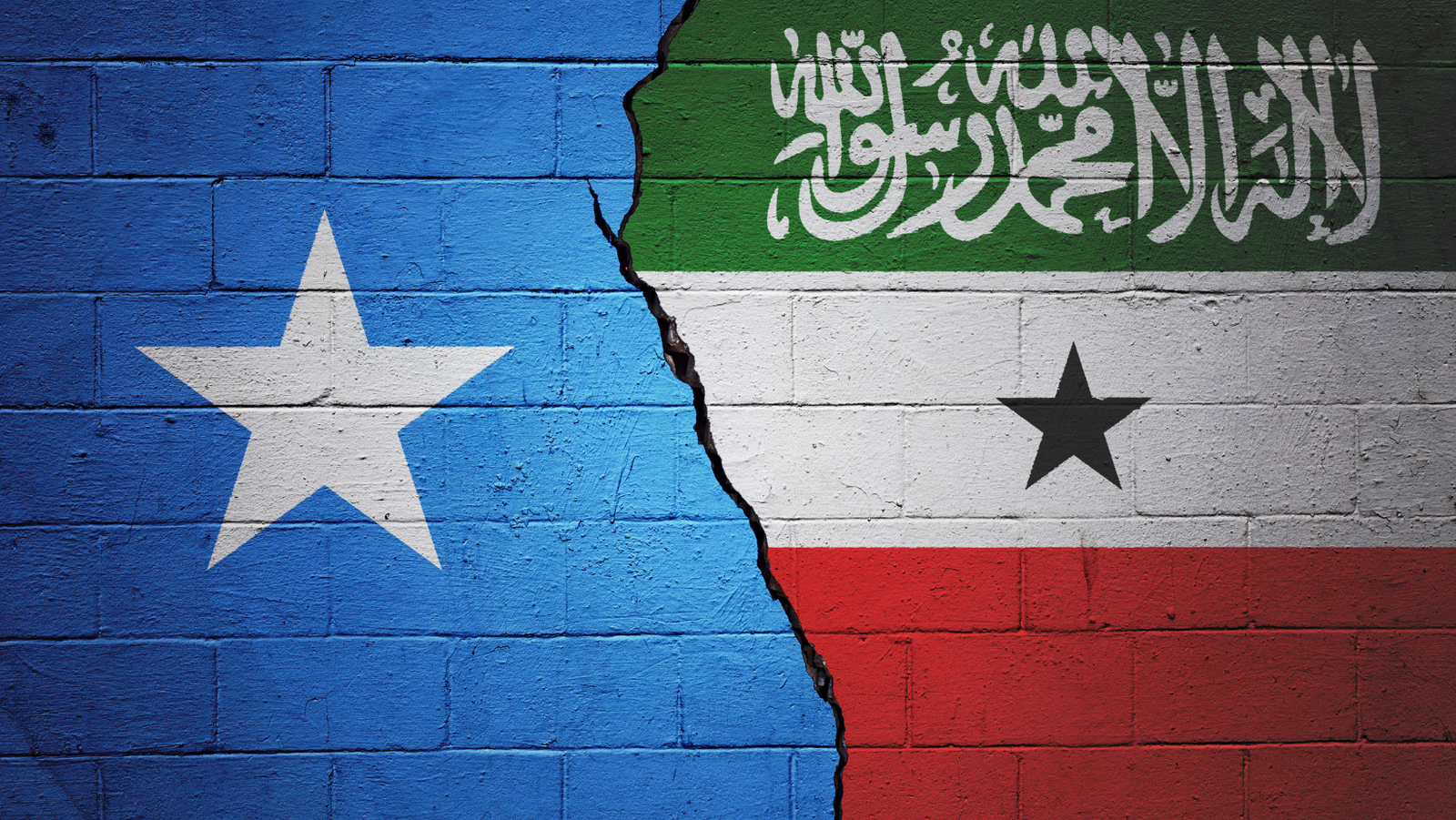
Somaliland and the Middle Eastern Divide
The Horn of Africa has rapidly transitioned from a peripheral maritime flank into a primary battleground for Middle Eastern proxy competition. The core of this friction lies in a concerted attempt by specific actors to embed a structural divide within the region by weaponising Somaliland’s separatist ambitions. This strategy of fragmentation threatens to destabilise…

Redefining the “Ceasefire”: Navigating the Post-Iran War Volatility
The regional security apparatus following the intense hostilities of the 2026 Iran War has birthed a highly precarious definition of the modern ceasefire. While formal agreements like the June 2026 Islamabad Memorandum are technically holding, the reality on the ground is characterised by regular, low-intensity skirmishes and calculated proxy engagements. This volatile new paradigm…

Expansionist Afghanistan: Neutralising the Irredentist Threat
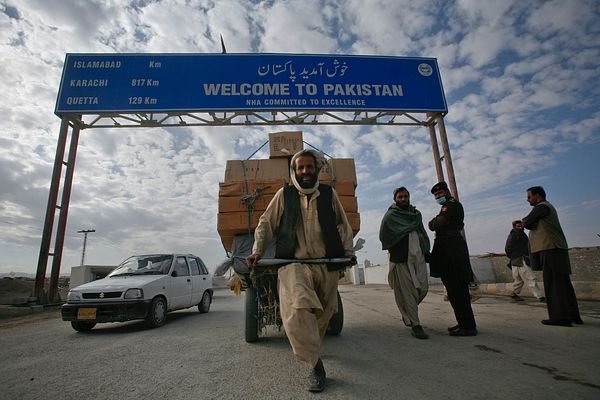
The evolving security dynamics along the Durand Line require a highly calibrated and analytical response to the increasingly hostile posture adopted by the interim administration in Kabul. The recent surge in cross-border militant violence, dramatically underscored by the June 2026 assault on a paramilitary Rangers compound in Karachi, Pakistan, reveals a dangerous escalation in…

The Unpopular War: An Analysis of the 2026 Iran Conflict’s Historic Unpopularity
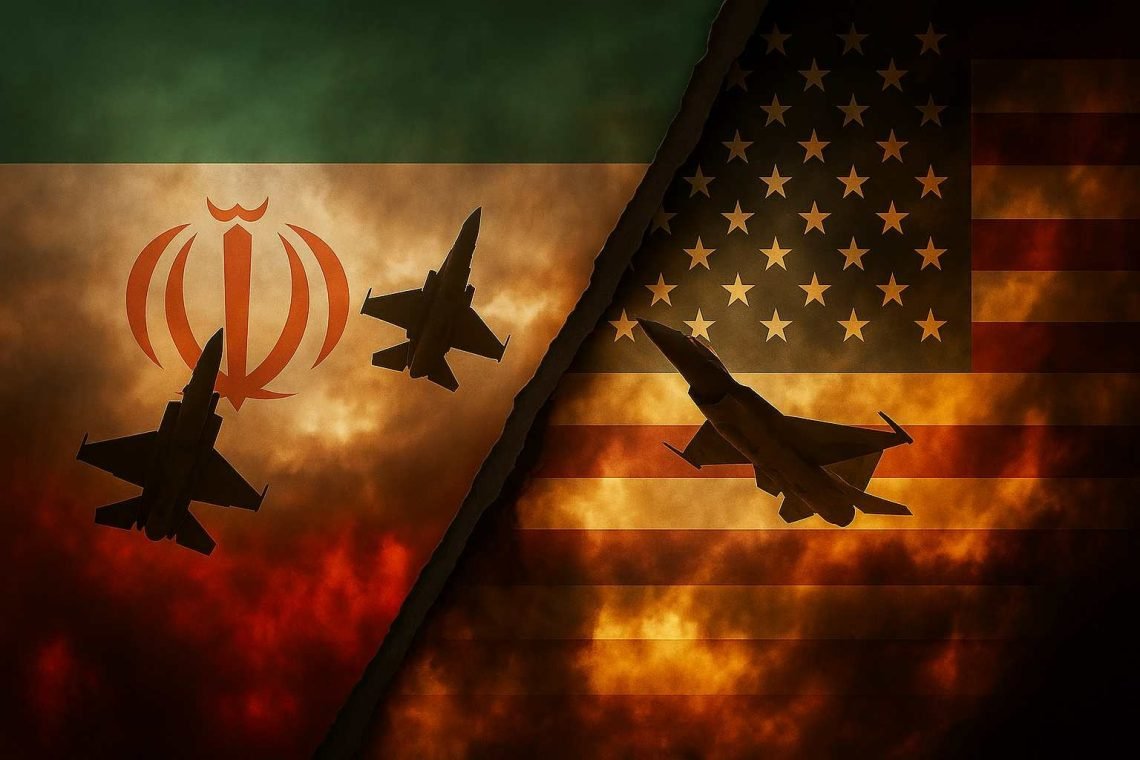
The military engagement between the United States and Iran, launched on February 28, 2026, under the banner of Operation Epic Fury, has fundamentally altered the geopolitical landscape of the Middle East. Yet, perhaps more notably, it has shattered all modern precedents regarding domestic support for American military intervention. By June 2026, analysts have reached…

The Islamabad Memorandum: A New Paradigm for Middle Power Diplomacy
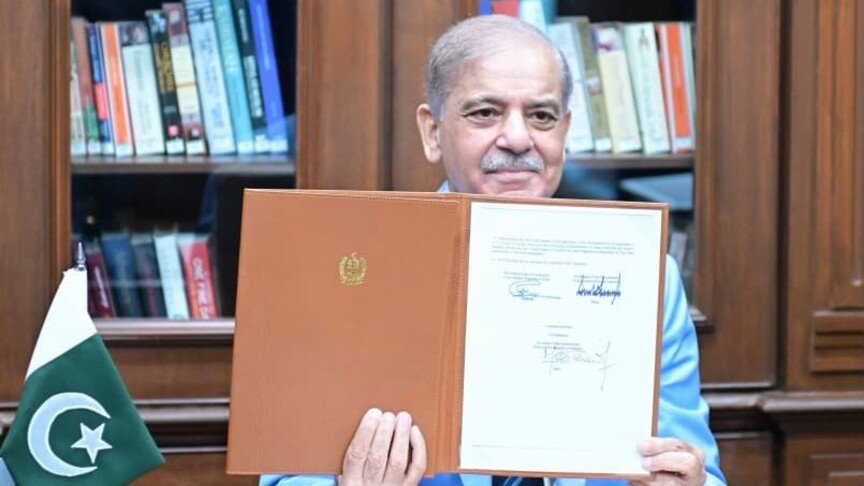
The signing of the Islamabad Memorandum of Understanding (MoU) on 17 June 2026 marks a watershed moment in contemporary geopolitics. By facilitating a ceasefire between the United States and Iran to halt a conflict that threatened global economic stability, Pakistan has transitioned from a peripheral player to a pivotal mediator. This agreement, whilst interim…

Repositioning in the Post-Galwan Era: From Continental Balancing to Global Diplomatic Centrality
The geopolitical landscape of South Asia has undergone a profound structural transformation. While the June 2020 Sino-Indian clash in the Galwan Valley established a new strategic reality along the Himalayan frontier, developments throughout 2026 have fundamentally altered Pakistan’s regional and international position. India’s unilateral constitutional and cartographic changes concerning Jammu, Kashmir and Ladakh strengthened…

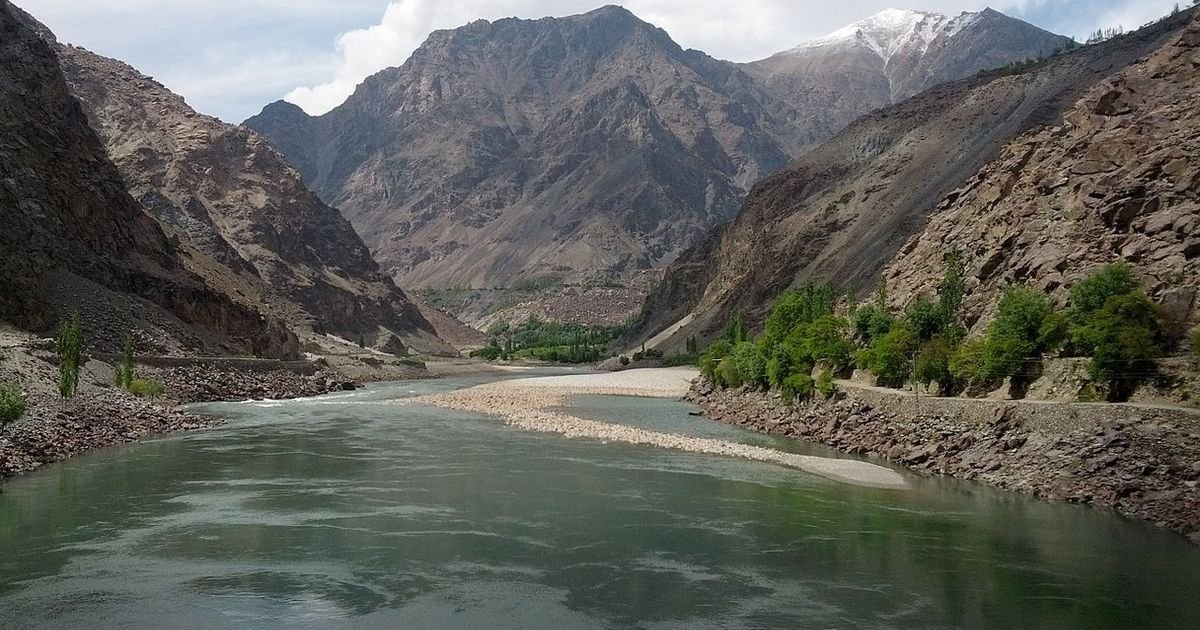
Water as a Weapon: How India’s Suspension of the Indus Waters Treaty Threatens South Asia’s Future
Editorial Note: This article was published in June 2026. On the 31st of August 2026, the Court of Arbitration issued a further Award on the Status of the Indus Waters Treaty, again affirming the treaty remains in force, alongside interim measures on the Ratle Hydro-Electric Plant. India has rejected this ruling as well, maintaining…

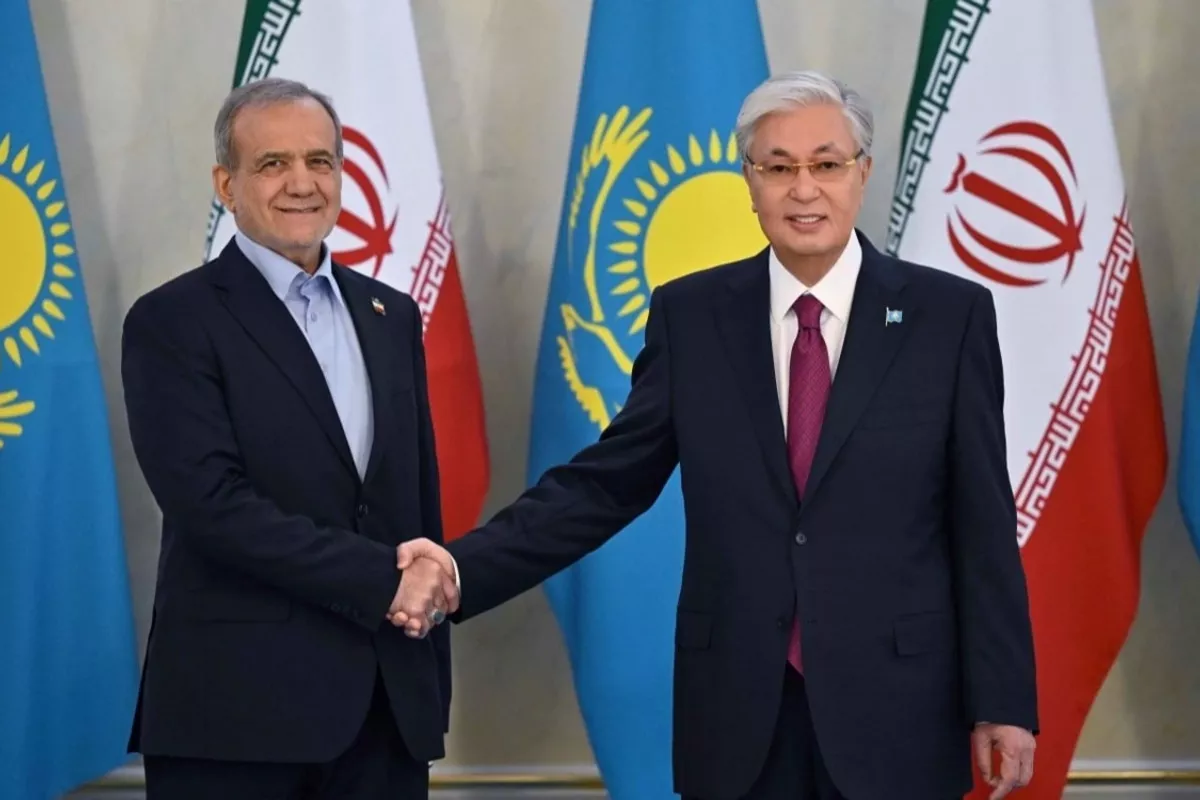
Breaking the Nuclear Deadlock: Kazakhstan’s Strategic Leverage in the US–Iran Ceasefire Negotiations
The current phase of back-channel diplomatic negotiations between Washington and Tehran has reached a critical juncture, with the final disposition of Iran’s highly enriched uranium stockpile emerging as the primary obstacle to a sustainable regional settlement. Following the military operations conducted by a joint United States and Israeli coalition against major Iranian nuclear sites,…