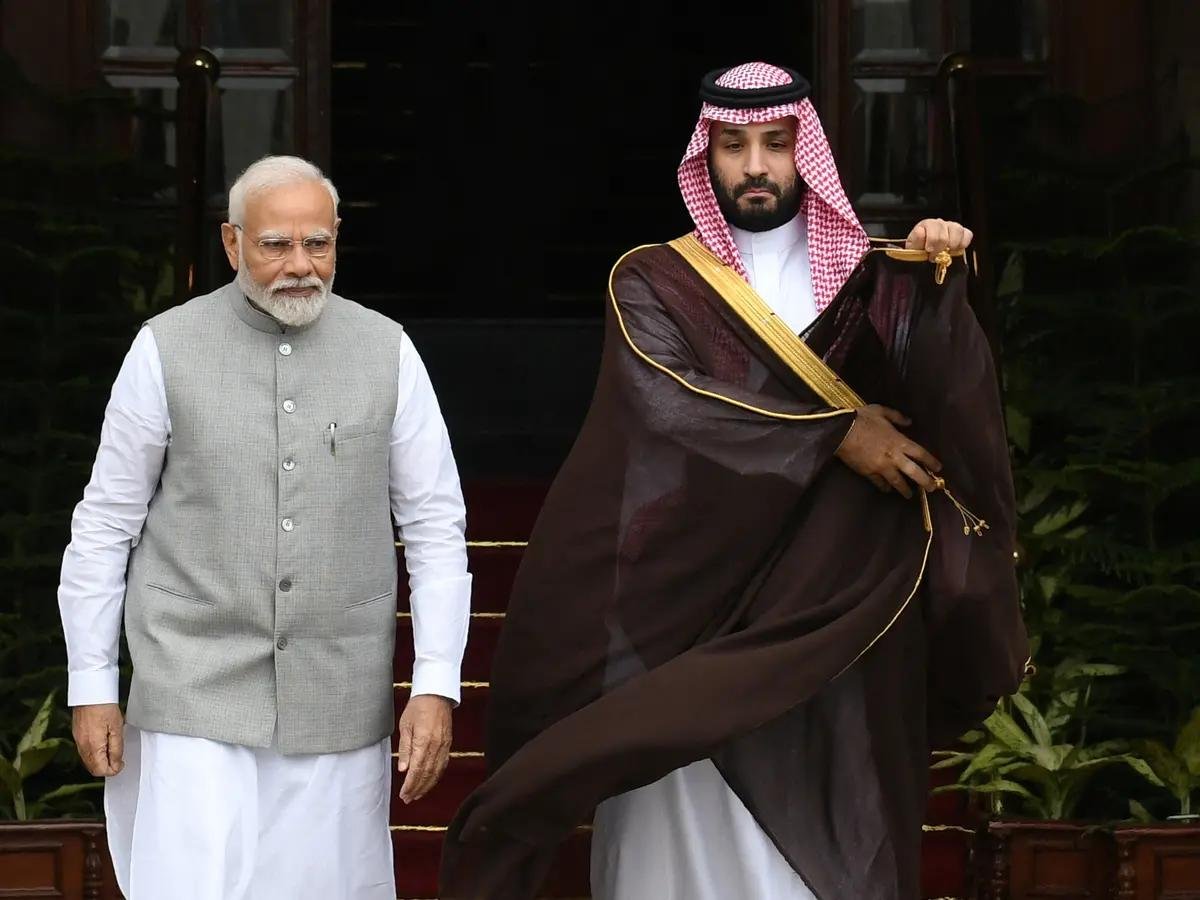

The Gulf Slips Away: How the Makkah Pact Ended India’s Decade of Gulf Diplomacy
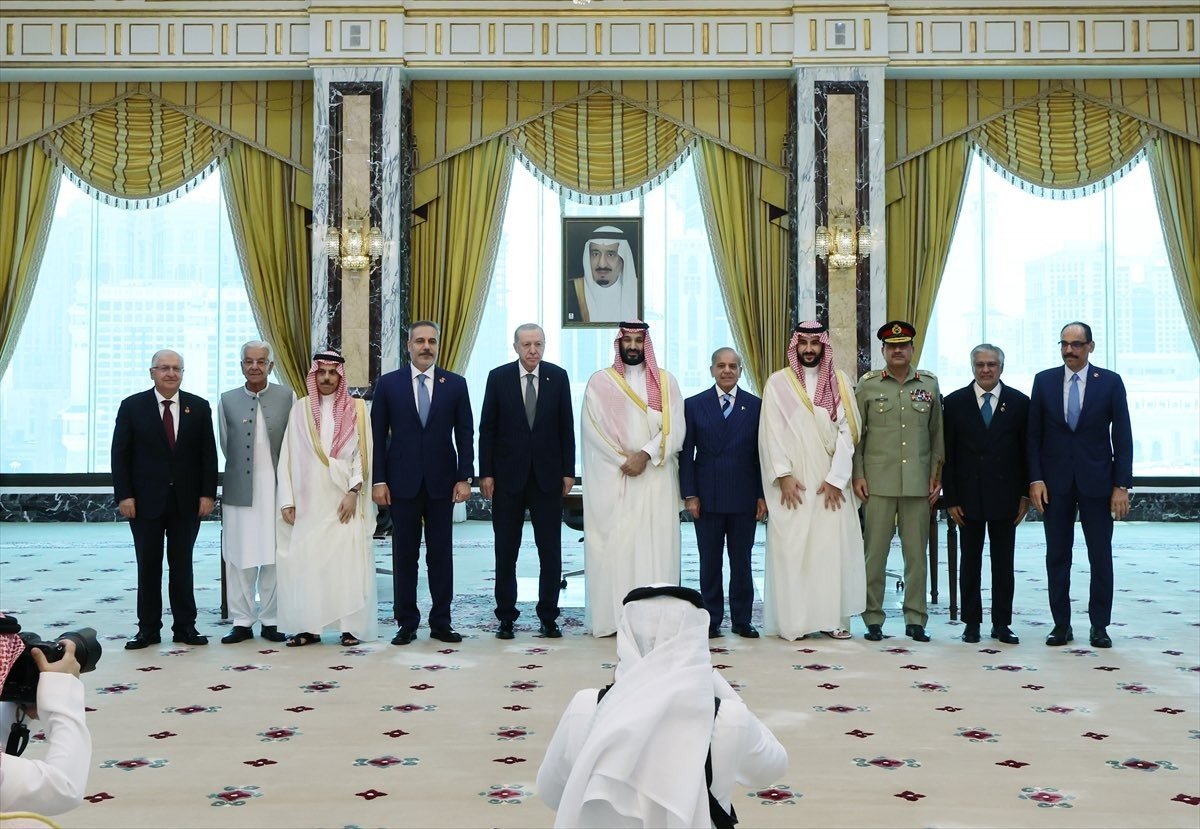
The formalisation of the Makkah Joint Defence Agreement on 7 August 2026 marks a pivotal structural shift in the security architecture of West Asia and South Asia. Signed in the holy city of Makkah by Saudi Crown Prince Mohammed bin Salman, Turkish President Recep Tayyip Erdogan, and Pakistani Prime Minister Shehbaz Sharif, the trilateral…

The Makkah Joint Defence Agreement: The Rise of a New Islamic Security Bloc
The formalisation of a trilateral defence agreement between the Kingdom of Saudi Arabia, the Republic of Türkiye and the Islamic Republic of Pakistan on 7 August 2026 marks a watershed moment in Middle Eastern and South Asian security architectures. Signed in Jeddah by Crown Prince Mohammed bin Salman, President Recep Tayyip Erdogan and Prime…
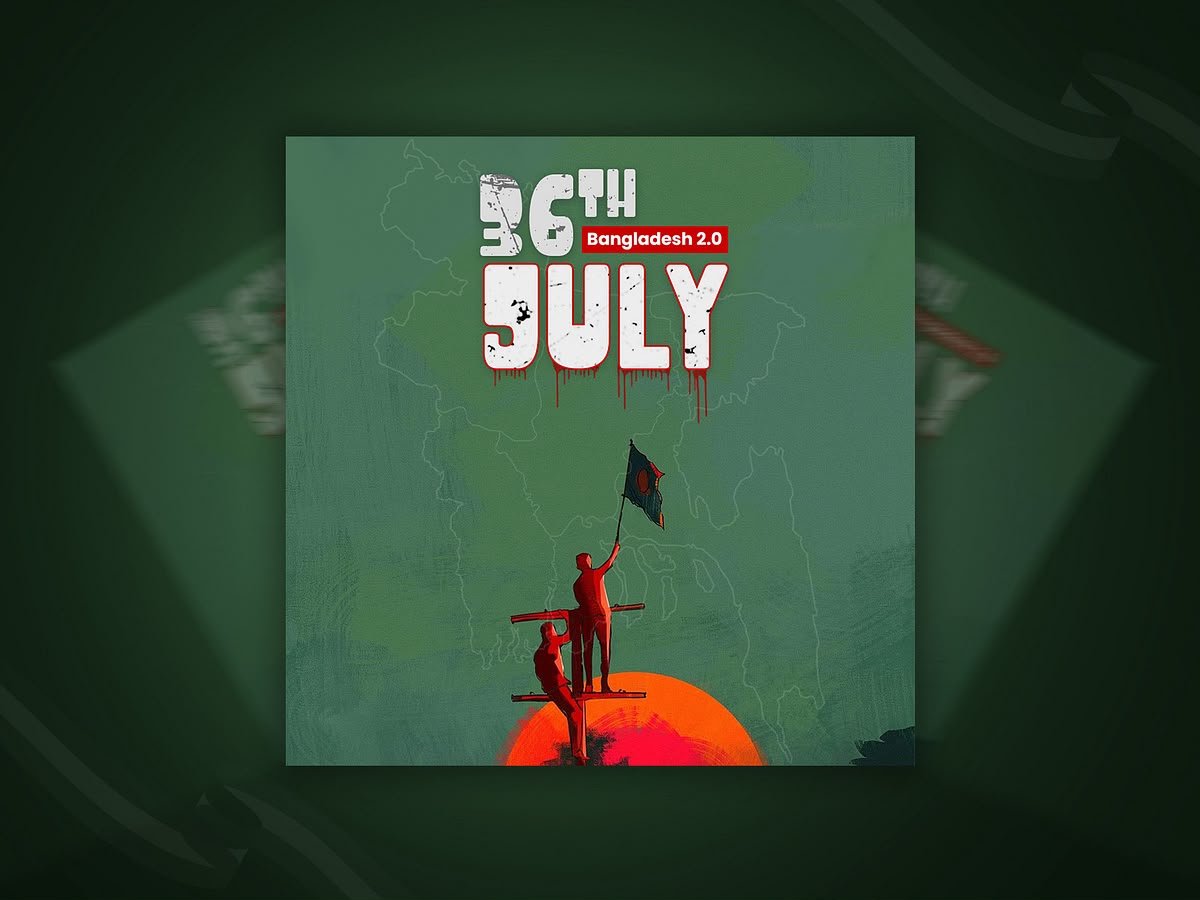
July Revolution: Beyond Hopes and Disappointments
Two years after the student-led people’s uprising dismantled the fifteen-year autocracy of Sheikh Hasina, Bangladesh finds itself navigating the complex realities of structural recalibration. The euphoric aftermath of August 2024, baptized by its architects as the “July Revolution”, promised an immediate democratic renaissance. Yet as the initial revolutionary dust settles across the streets of…

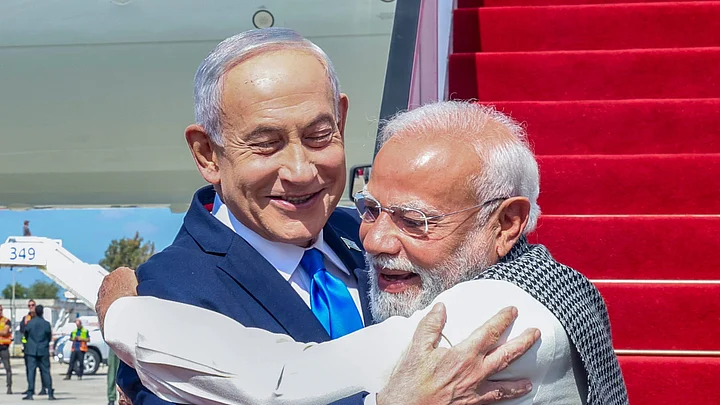
Indian Arms Exports to Israel : Examining Amnesty International’s Report on India as an essential weapon manufacturing node for genocide in Gaza.
In July 2026, Amnesty International published a comprehensive 42-page investigative report titled “Made in India: The Supply of Weapons and Ammunition to Israel.” The document delivers a detailed, data-driven reconstruction of how India has evolved into an essential manufacturing node in Israel’s weapon supply chain during the genocide in Gaza. Drawing upon shipment-level customs…

The Crucible of Climate Change: Assessing Nepal’s Unique Vulnerabilities and Livelihood Shocks
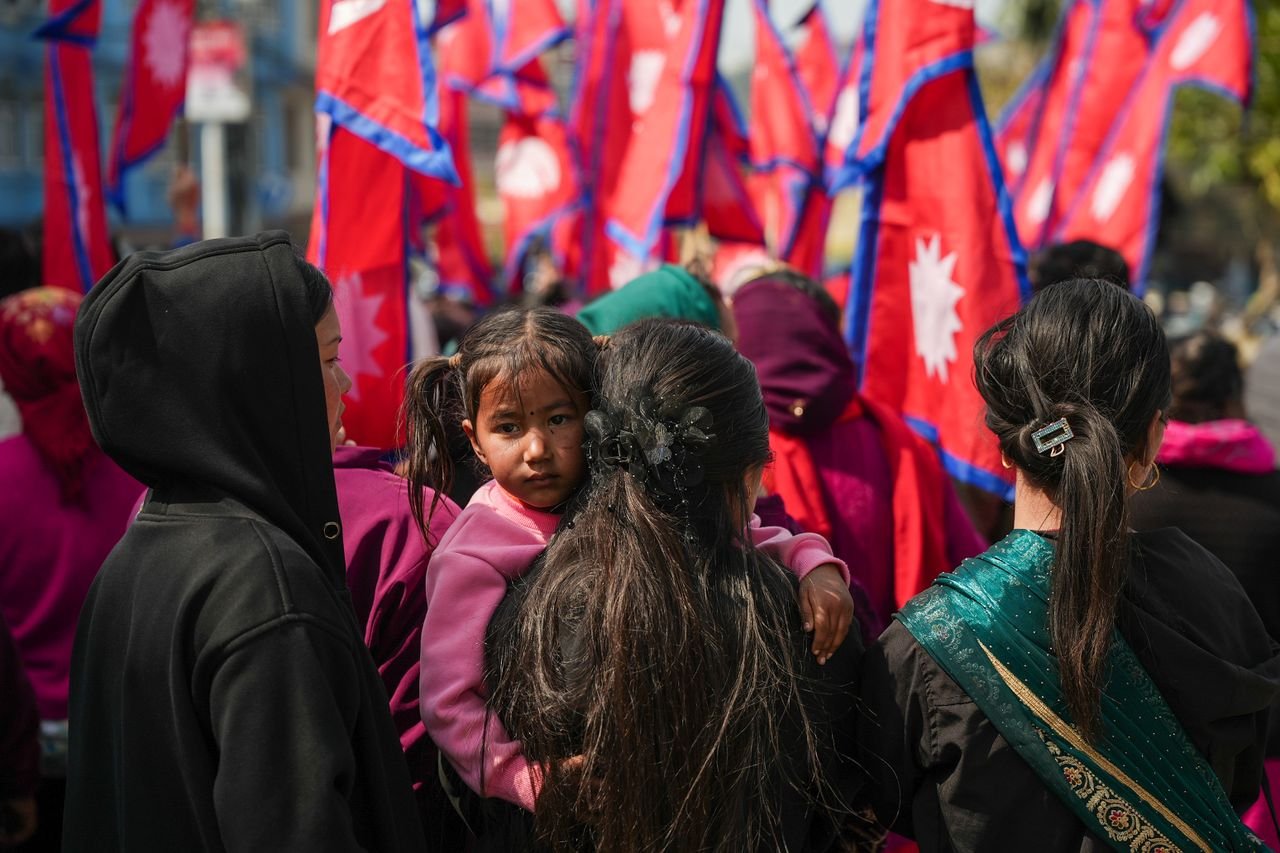
Global greenhouse gas emissions are driving unprecedented environmental shifts, transforming localised weather patterns and placing intense pressure on vital livelihood resources. Whilst climate change is a global phenomenon, its impacts are profoundly unequal. Developing nations with complex topographies bear the heaviest burden, and national-level scientific studies consistently prove that Nepal is one of the…

The Houthi Militia: From Local Insurgency to Regional Power
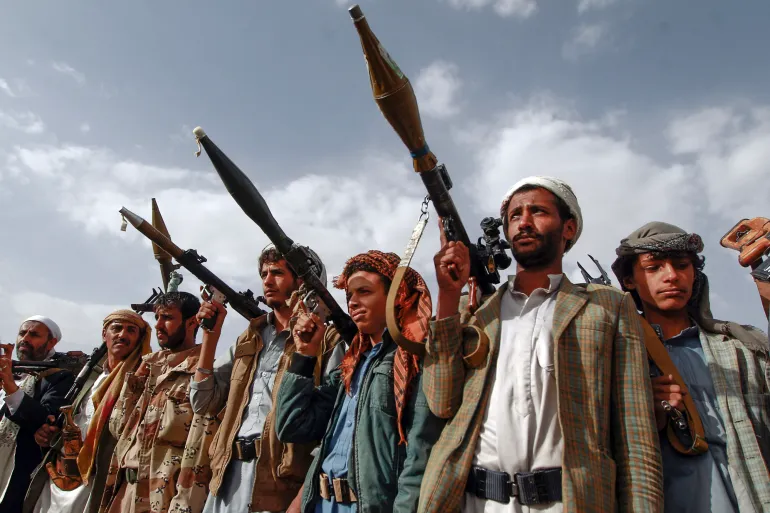
The announcement by Yemen’s Houthi movement that it has imposed a naval blockade against Saudi Arabia in the current Iran-US war represents more than another escalation in Yemen’s long-running conflict. It is a strategic signal aimed not only at Riyadh but also at Washington, Tehran’s rivals, and the global energy market. By threatening maritime…

Somaliland and the Middle Eastern Divide
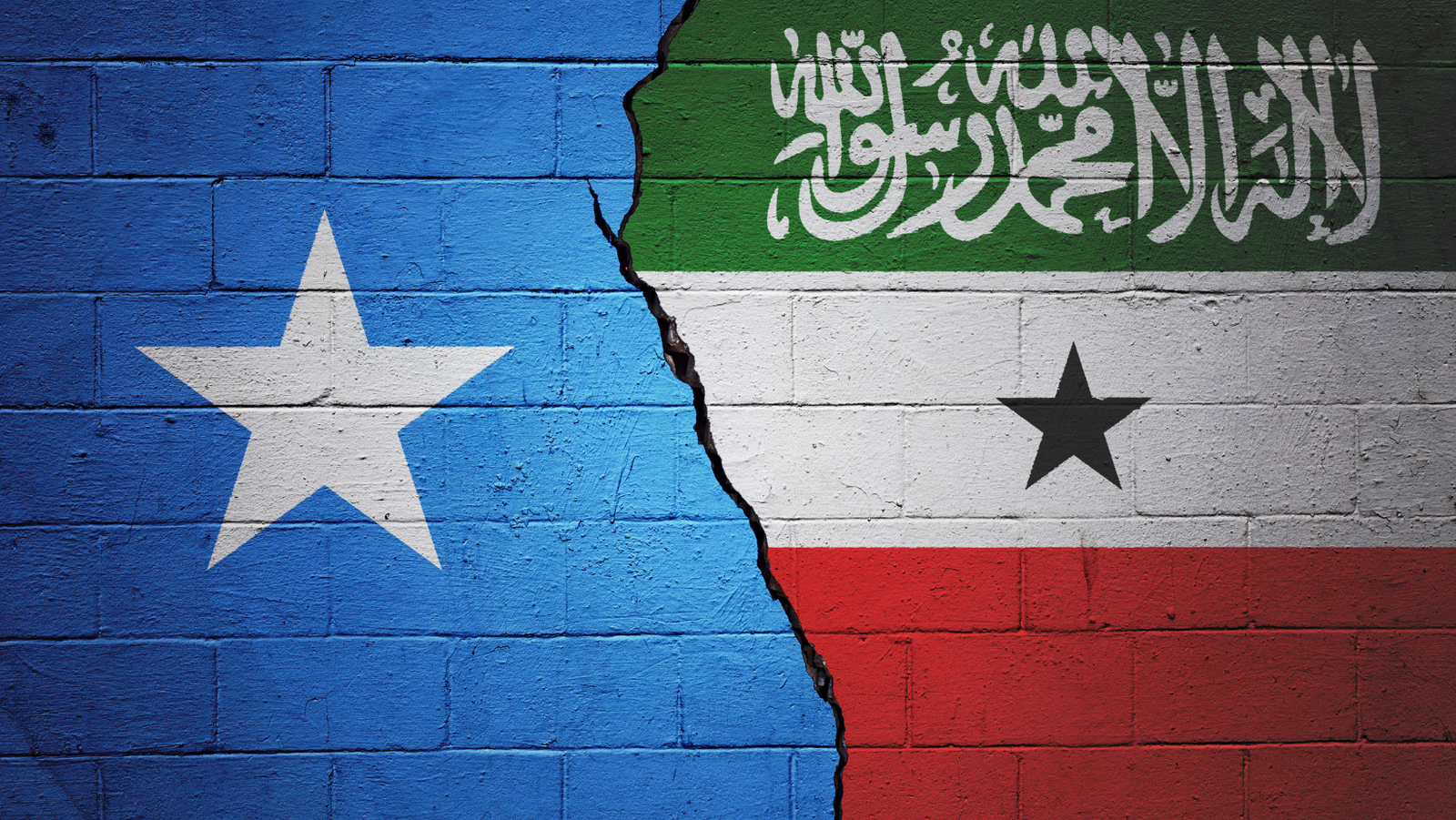
The Horn of Africa has rapidly transitioned from a peripheral maritime flank into a primary battleground for Middle Eastern proxy competition. The core of this friction lies in a concerted attempt by specific actors to embed a structural divide within the region by weaponising Somaliland’s separatist ambitions. This strategy of fragmentation threatens to destabilise…

Redefining the “Ceasefire”: Navigating the Post-Iran War Volatility
The regional security apparatus following the intense hostilities of the 2026 Iran War has birthed a highly precarious definition of the modern ceasefire. While formal agreements like the June 2026 Islamabad Memorandum are technically holding, the reality on the ground is characterised by regular, low-intensity skirmishes and calculated proxy engagements. This volatile new paradigm…

Expansionist Afghanistan: Neutralising the Irredentist Threat
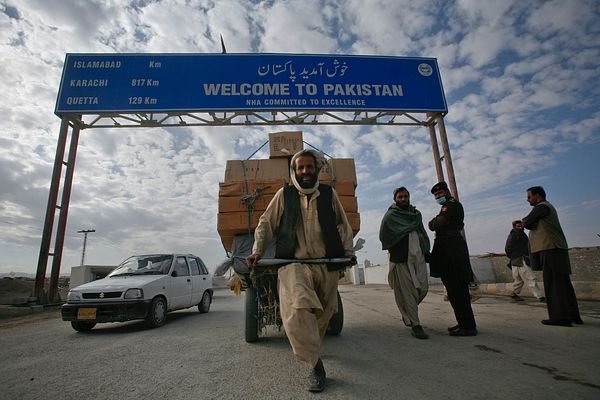
The evolving security dynamics along the Durand Line require a highly calibrated and analytical response to the increasingly hostile posture adopted by the interim administration in Kabul. The recent surge in cross-border militant violence, dramatically underscored by the June 2026 assault on a paramilitary Rangers compound in Karachi, Pakistan, reveals a dangerous escalation in…

The Unpopular War: An Analysis of the 2026 Iran Conflict’s Historic Unpopularity
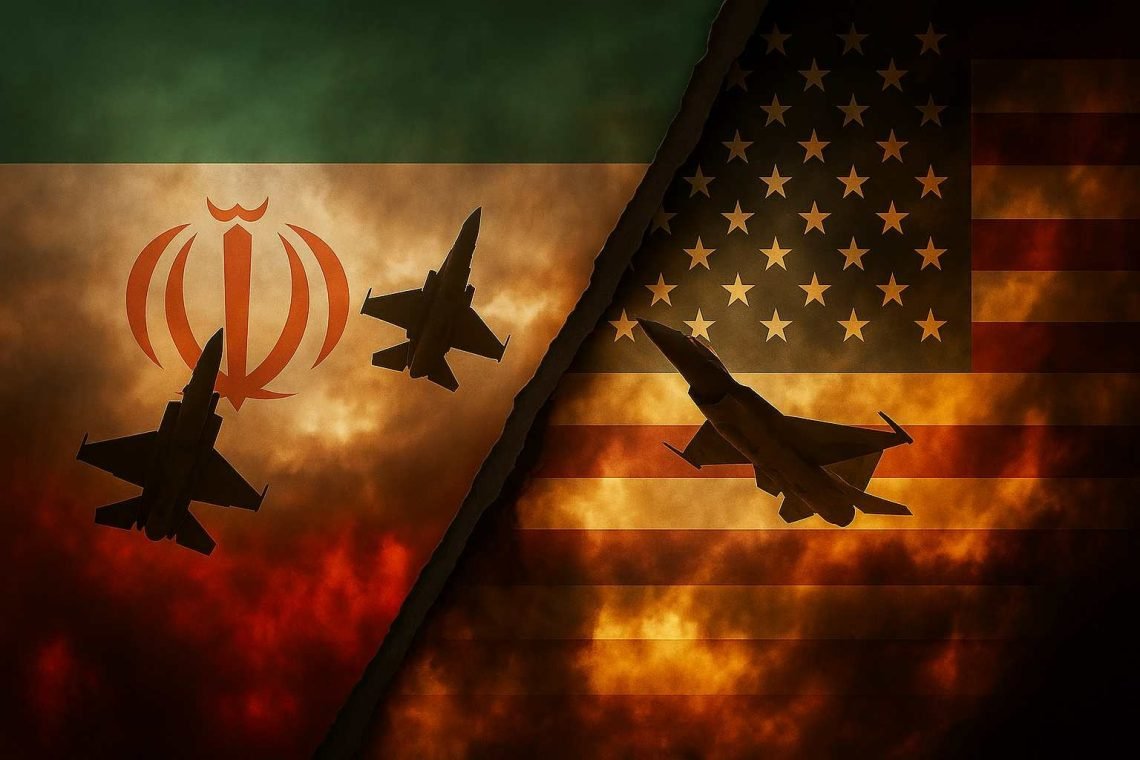
The military engagement between the United States and Iran, launched on February 28, 2026, under the banner of Operation Epic Fury, has fundamentally altered the geopolitical landscape of the Middle East. Yet, perhaps more notably, it has shattered all modern precedents regarding domestic support for American military intervention. By June 2026, analysts have reached…