
The First Priority: Why Secretary-General Ismail Ould Cheikh Ahmed Must Put Digital Independence at the Top of the OIC’s Agenda
•
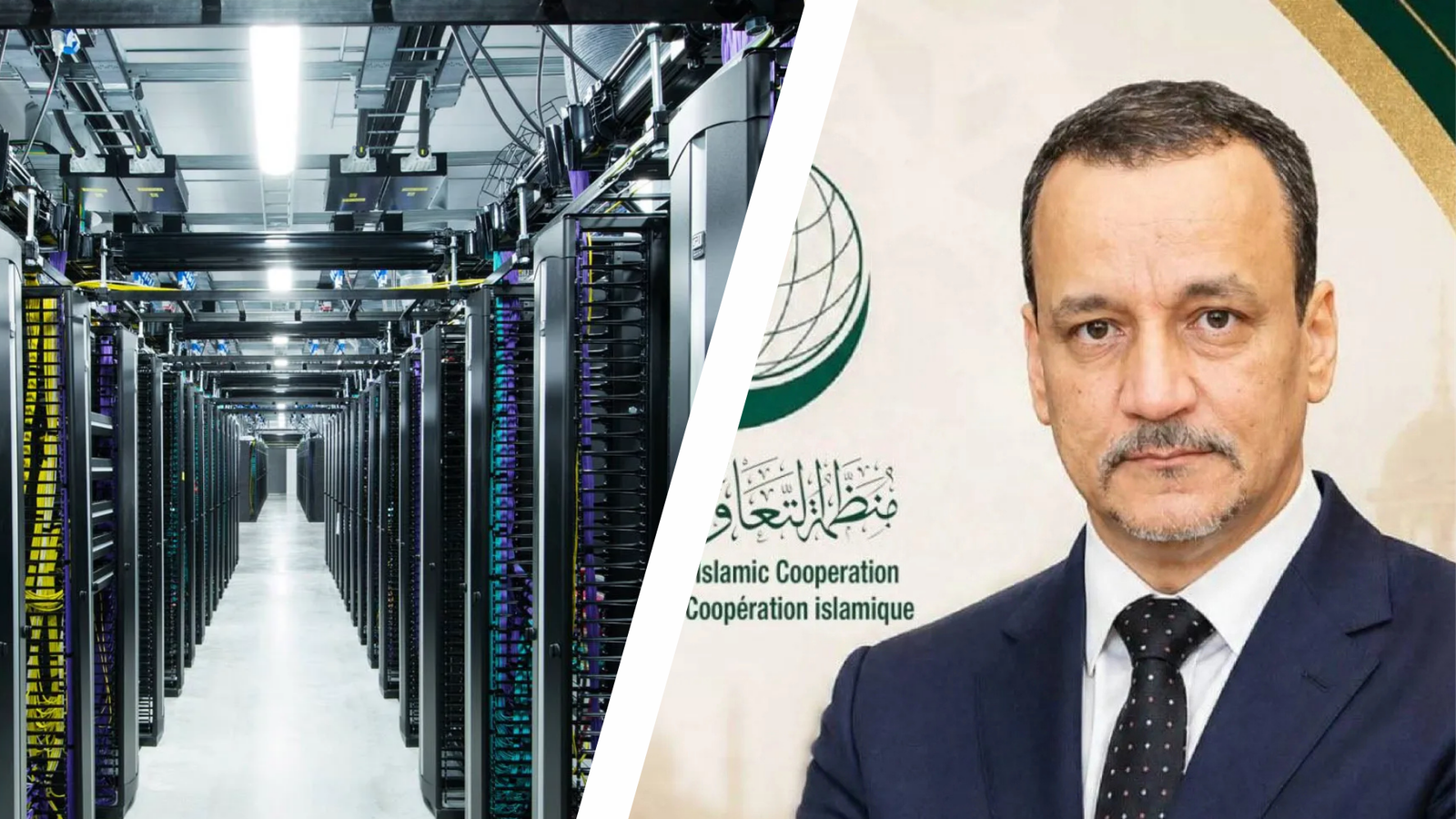
Secretary-General Ismail Ould Cheikh Ahmed assumes leadership of the Organisation of Islamic Cooperation at a moment of acute technological emergency. The fifty-seven member states of the OIC are not merely confronting an economic development gap or a governance deficit. They are operating under a structural condition in which the digital systems governing their communications,…

The Indian Ocean in the Era of Great-Power Competition: Reassessing the Strategic Impact of Extra-Regional Actors on Regional Stability
•
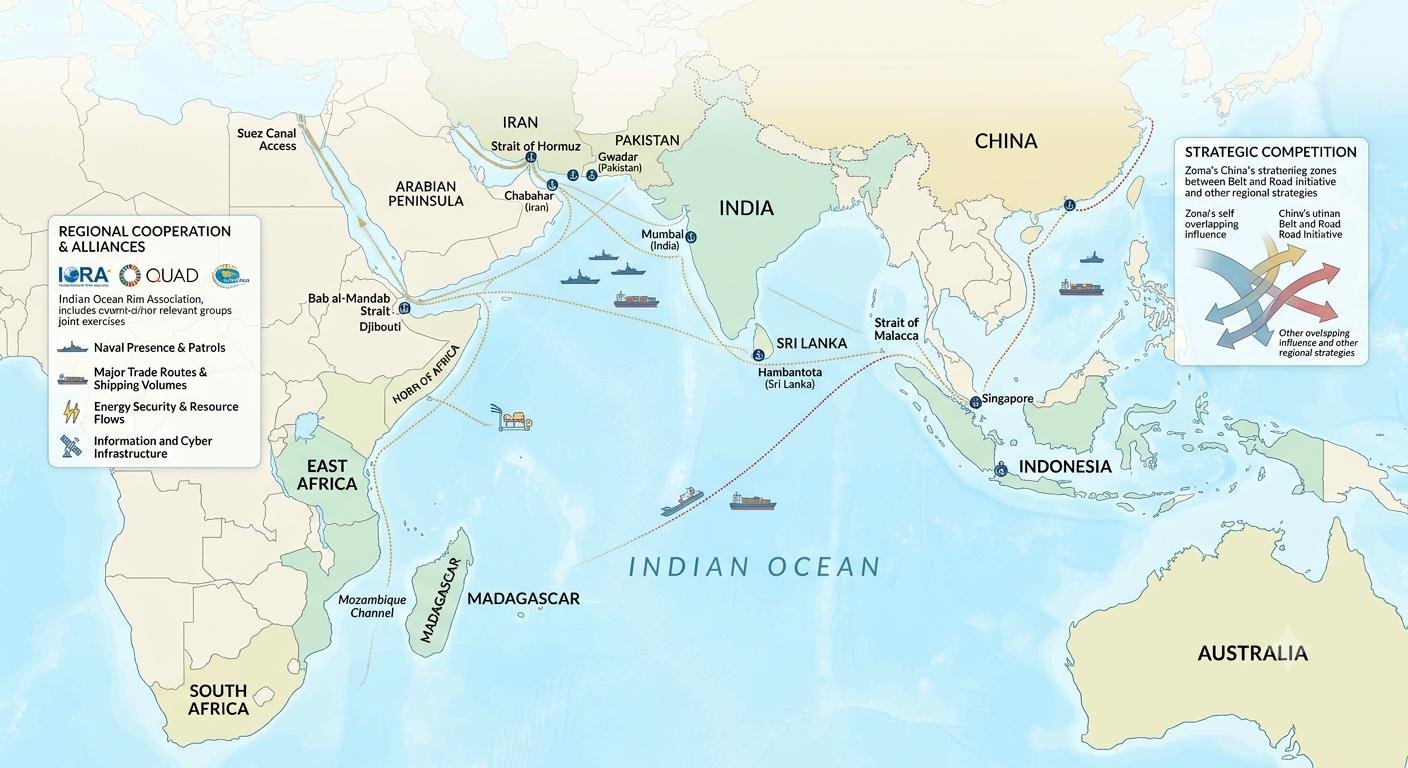
The Indian Ocean has emerged as one of the most consequential geopolitical theatres of the twenty-first century. Stretching from the eastern coast of Africa to the western Pacific through the Strait of Malacca, it connects some of the world’s fastest-growing economies while carrying nearly 80 per cent of global seaborne oil trade and a…

Repositioning in the Post-Galwan Era: From Continental Balancing to Global Diplomatic Centrality
•
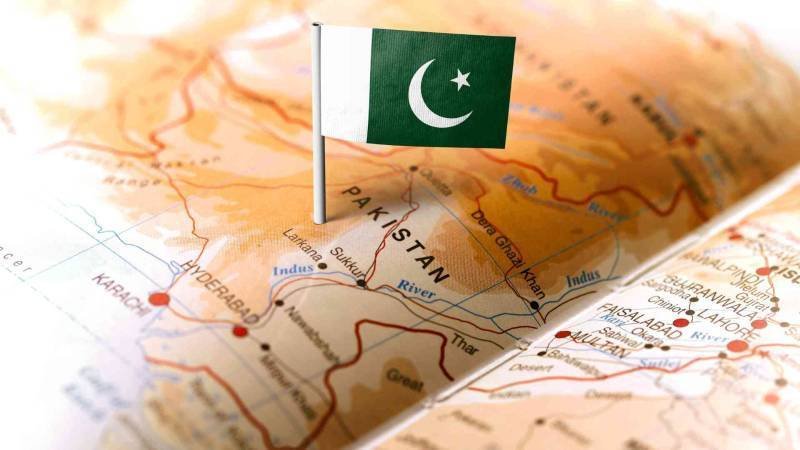
The geopolitical landscape of South Asia has undergone a profound structural transformation. While the June 2020 Sino-Indian clash in the Galwan Valley established a new strategic reality along the Himalayan frontier, developments throughout 2026 have fundamentally altered Pakistan’s regional and international position. India’s unilateral constitutional and cartographic changes concerning Jammu, Kashmir and Ladakh strengthened…

The Rise of Islamophobia in the UK: Media, Politics, and Social Division
•
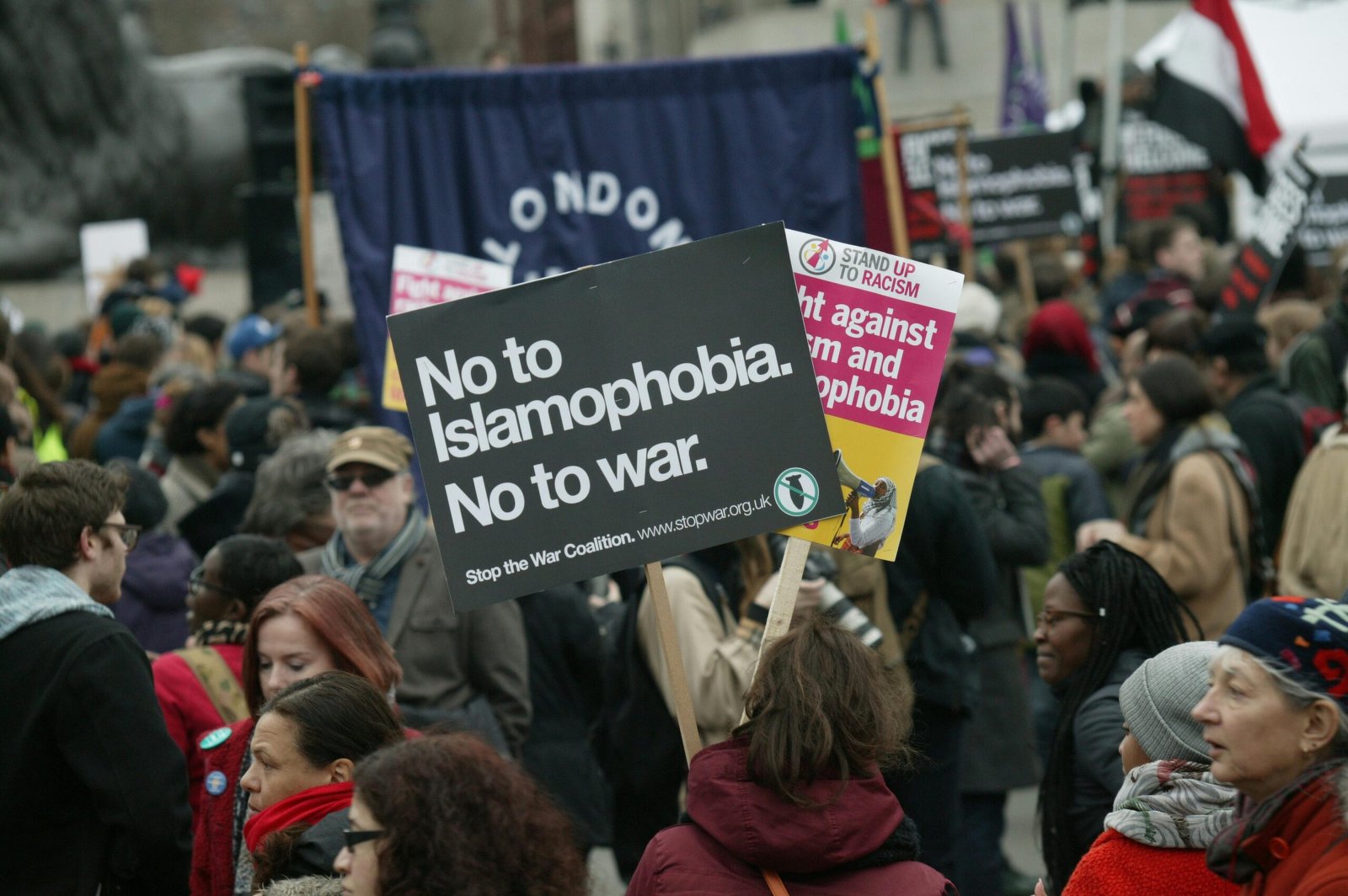
Islamophobia is no longer a marginal issue in British society. It has become an increasingly visible and deeply entrenched form of prejudice that affects millions of Muslims across the United Kingdom. Defined as hostility, fear, discrimination, or hatred directed towards Islam or Muslims, Islamophobia manifests through verbal abuse, physical violence, workplace discrimination, online harassment,…

The Invisible Crisis: The Vulnerability of the Indus Basin Aquifer
•
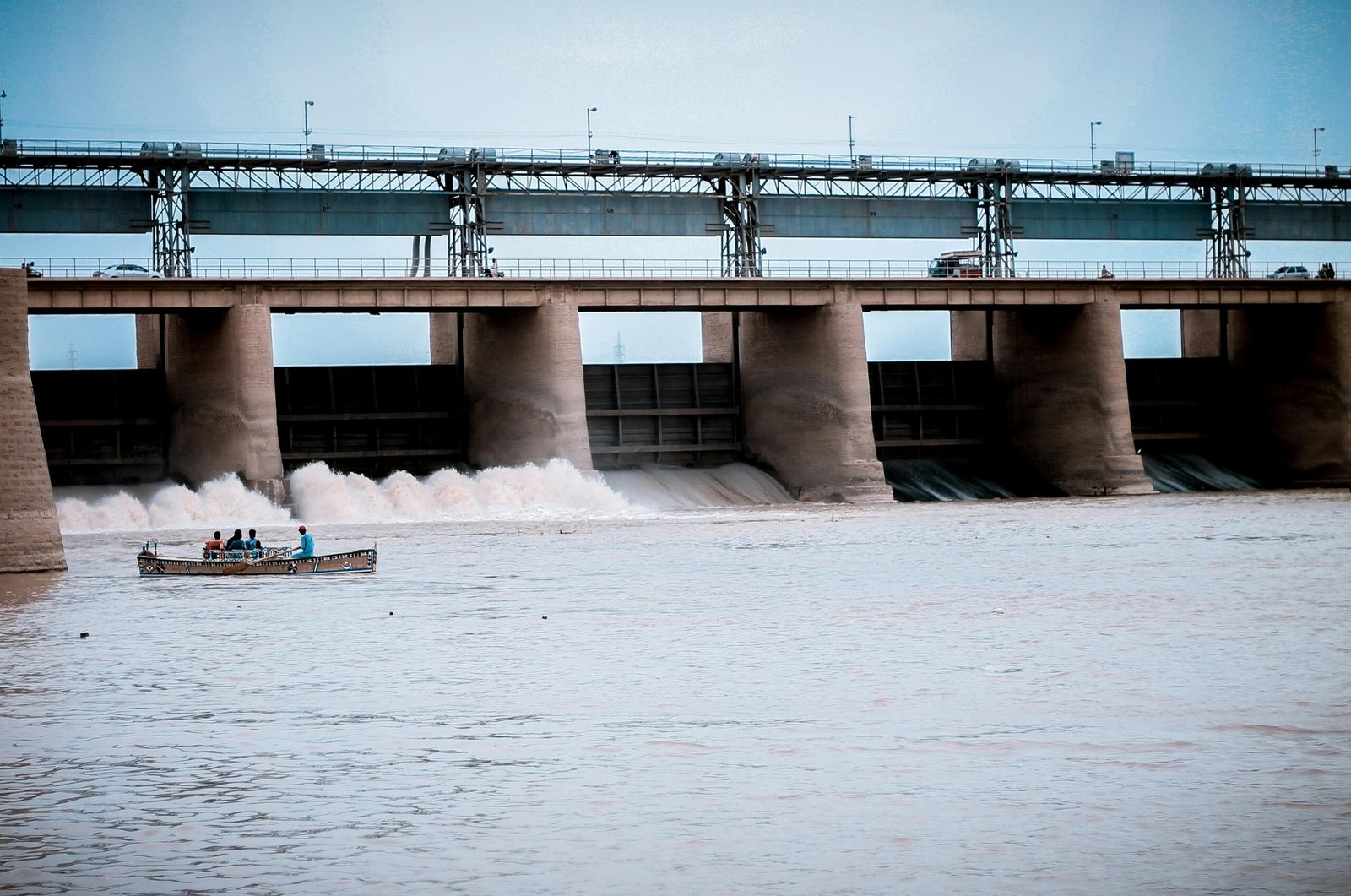
The Indus Basin, often termed the “lifeline” of Pakistan, is shifting from a state of water stress to absolute scarcity. While surface water fluctuations in the Indus River attract significant political and media attention, the Indus Basin Aquifer, a vast, transboundary reservoir of groundwater, is facing a silent, existential threat. This aquifer provides over…