
The Indispensable Guardian: Pakistan and the Defence of Muslim Sovereignty in South Asia
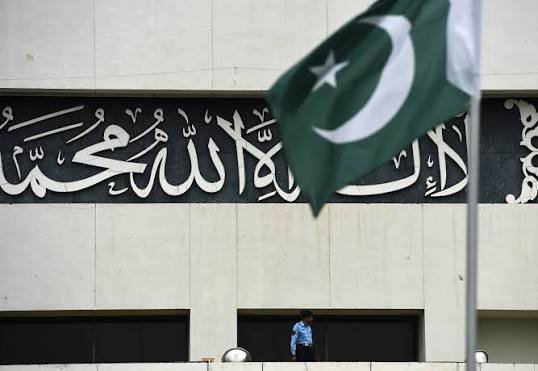
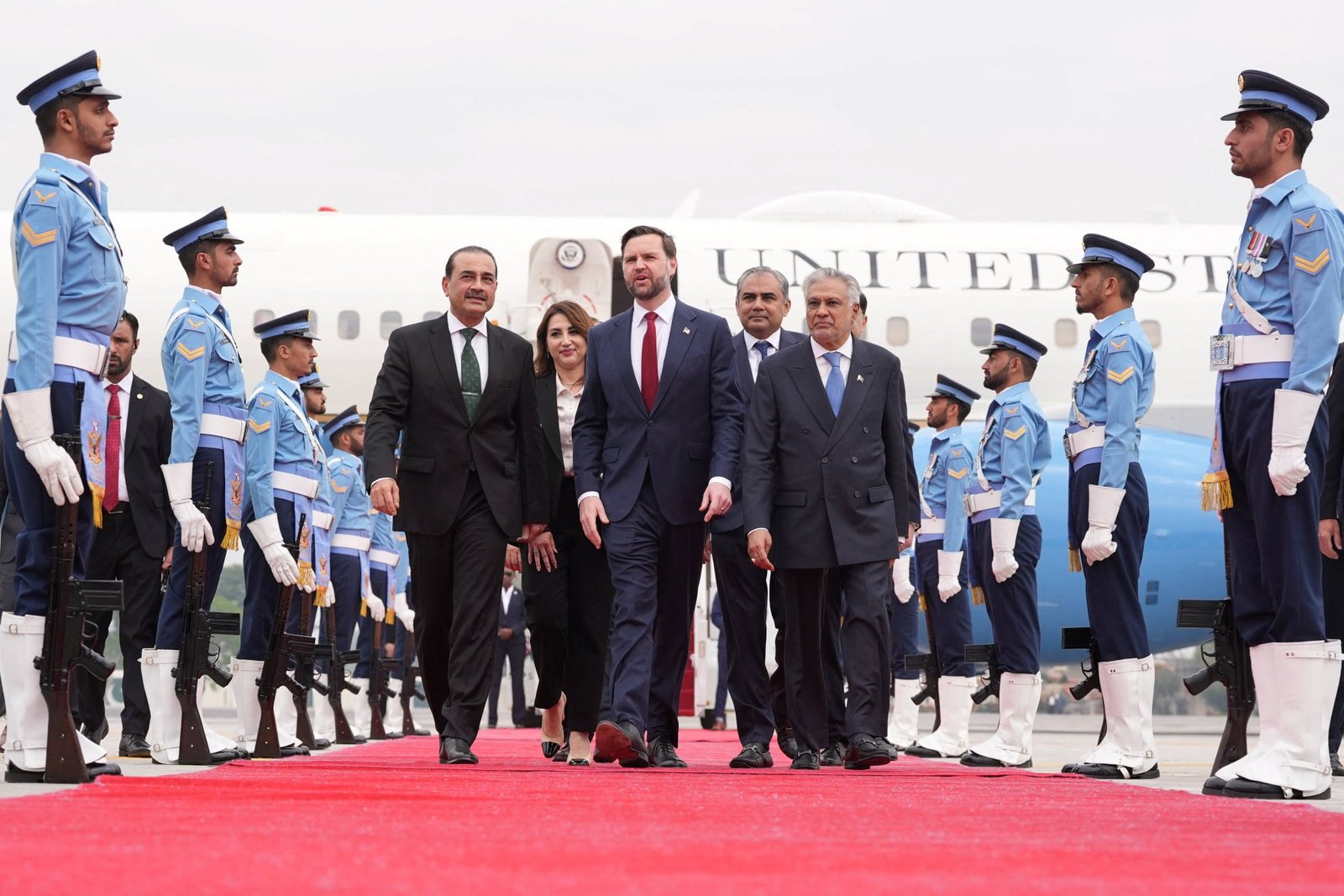
In the fractured geopolitical landscape of 2026, a single question has moved from the margins of strategic discourse to its very centre: who speaks for the Muslim world’s sovereign interests when they are threatened by the expansionist ambitions of regional powers? The answer, increasingly, is Pakistan. From the negotiating rooms of Islamabad to the…

The Gulf Slips Away: How the Makkah Pact Ended India’s Decade of Gulf Diplomacy
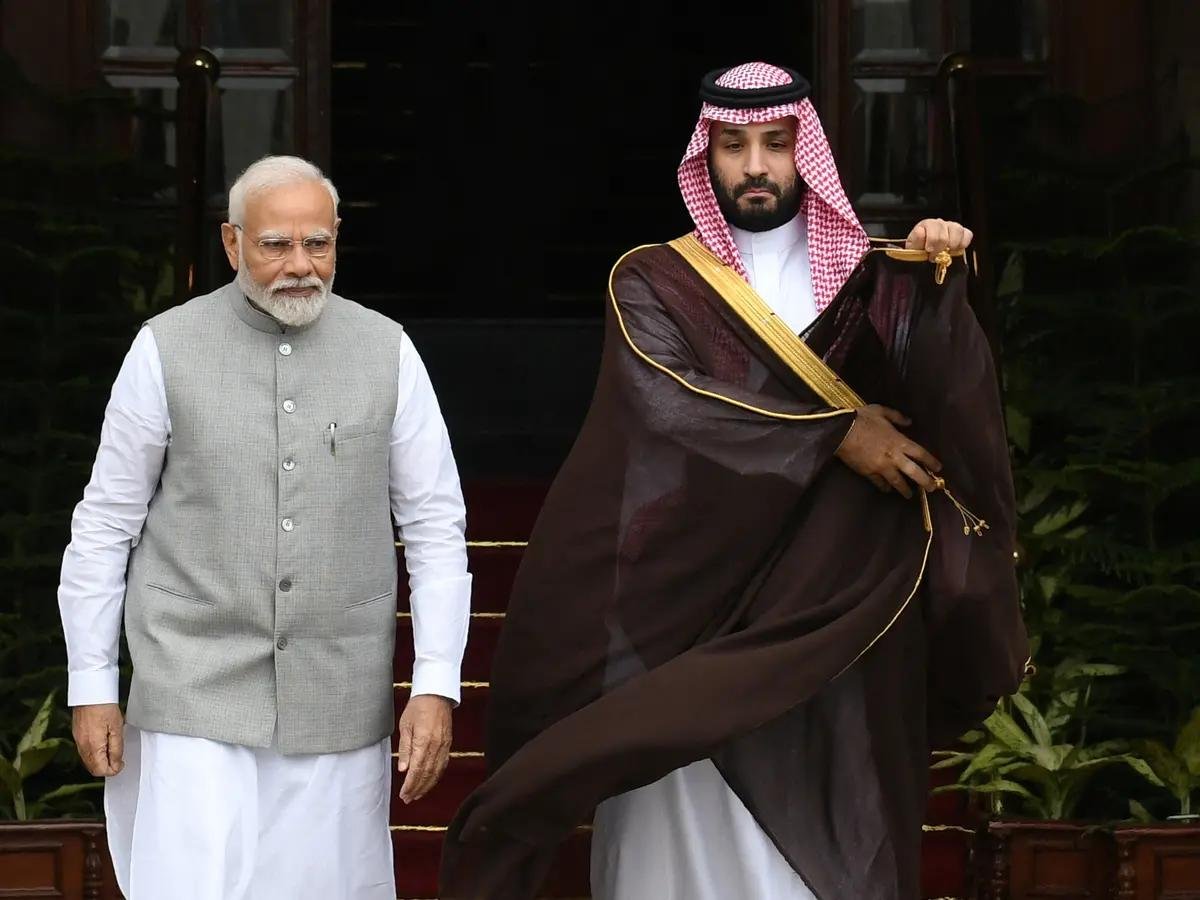
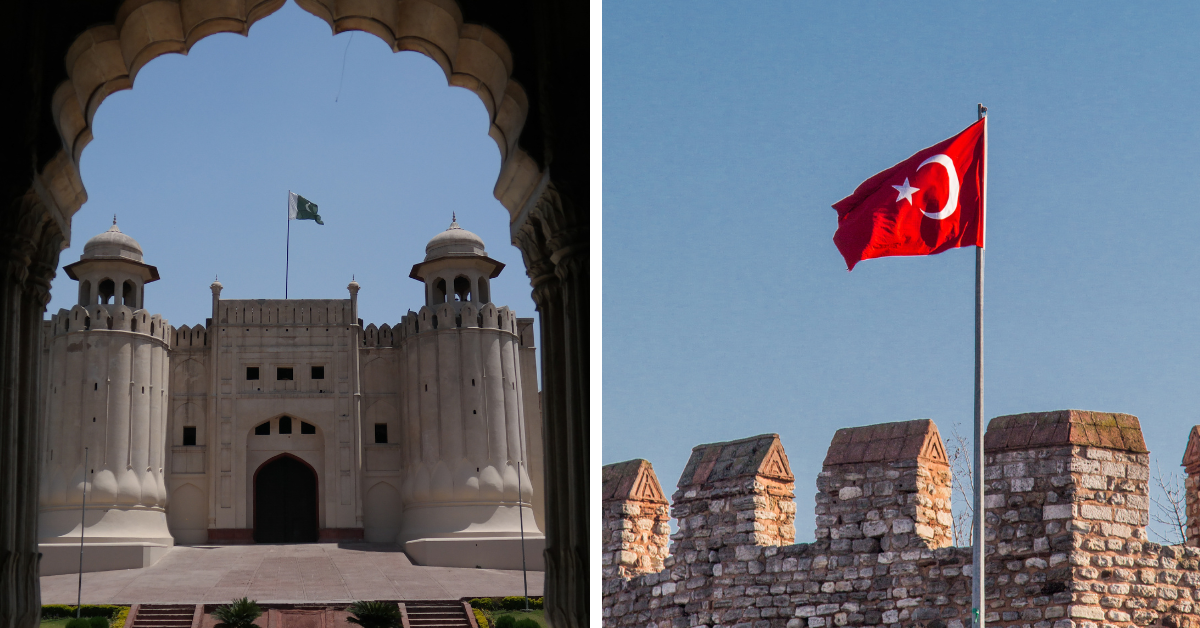
The formalisation of the Makkah Joint Defence Agreement on 7 August 2026 marks a pivotal structural shift in the security architecture of West Asia and South Asia. Signed in the holy city of Makkah by Saudi Crown Prince Mohammed bin Salman, Turkish President Recep Tayyip Erdogan, and Pakistani Prime Minister Shehbaz Sharif, the trilateral…

Expansionist Afghanistan: Neutralising the Irredentist Threat
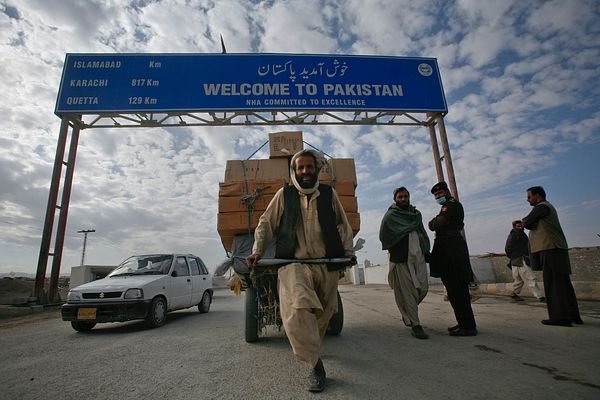
The evolving security dynamics along the Durand Line require a highly calibrated and analytical response to the increasingly hostile posture adopted by the interim administration in Kabul. The recent surge in cross-border militant violence, dramatically underscored by the June 2026 assault on a paramilitary Rangers compound in Karachi, Pakistan, reveals a dangerous escalation in…

Repositioning in the Post-Galwan Era: From Continental Balancing to Global Diplomatic Centrality
The geopolitical landscape of South Asia has undergone a profound structural transformation. While the June 2020 Sino-Indian clash in the Galwan Valley established a new strategic reality along the Himalayan frontier, developments throughout 2026 have fundamentally altered Pakistan’s regional and international position. India’s unilateral constitutional and cartographic changes concerning Jammu, Kashmir and Ladakh strengthened…

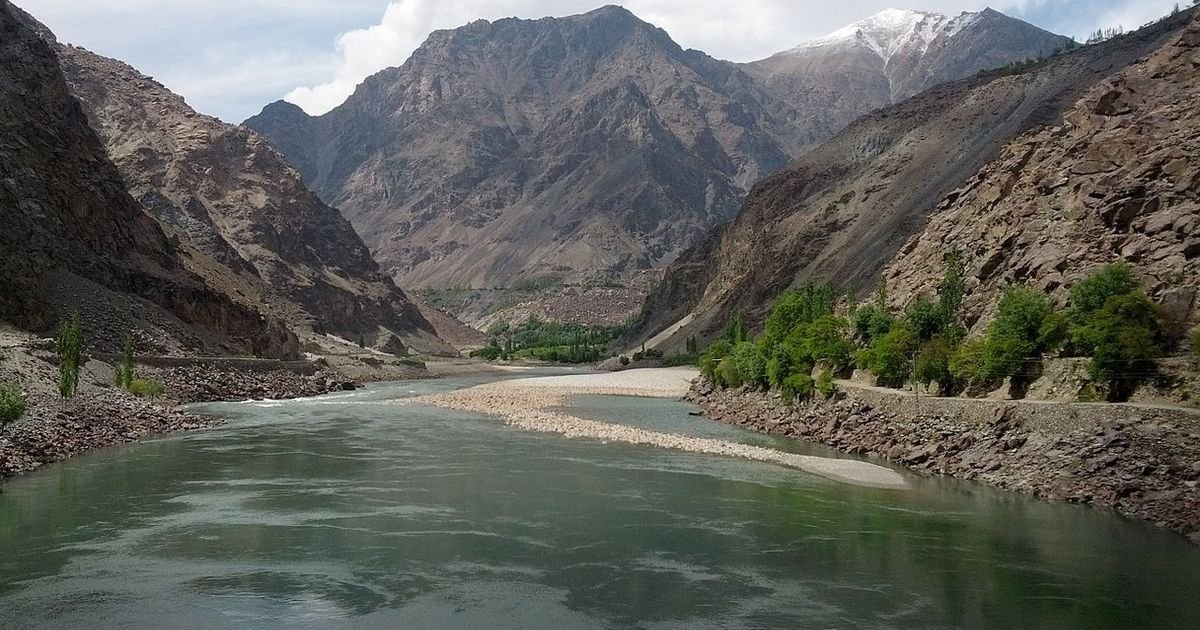
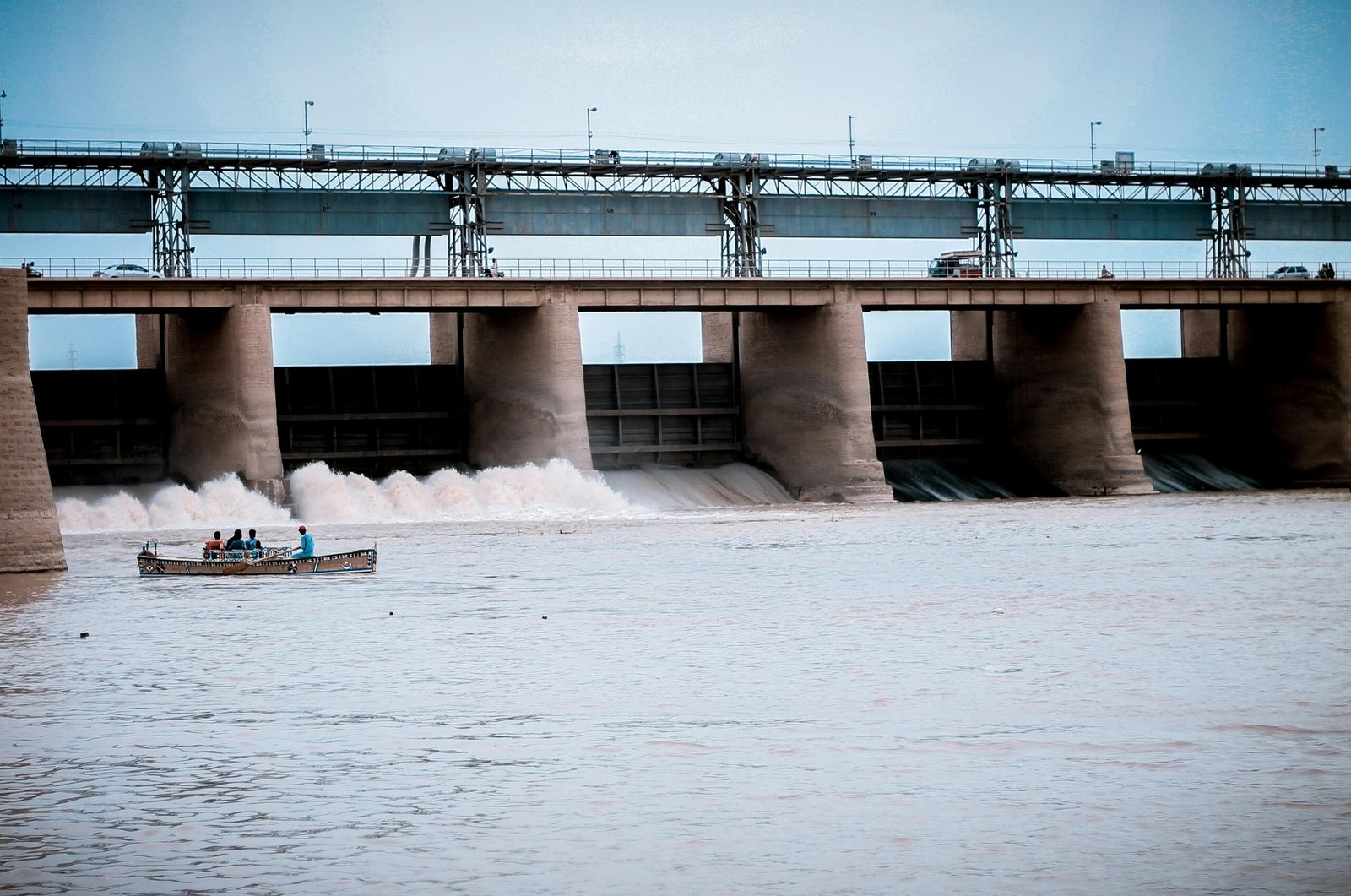
Water as a Weapon: How India’s Suspension of the Indus Waters Treaty Threatens South Asia’s Future
Editorial Note: This article was published in June 2026. On the 31st of August 2026, the Court of Arbitration issued a further Award on the Status of the Indus Waters Treaty, again affirming the treaty remains in force, alongside interim measures on the Ratle Hydro-Electric Plant. India has rejected this ruling as well, maintaining…

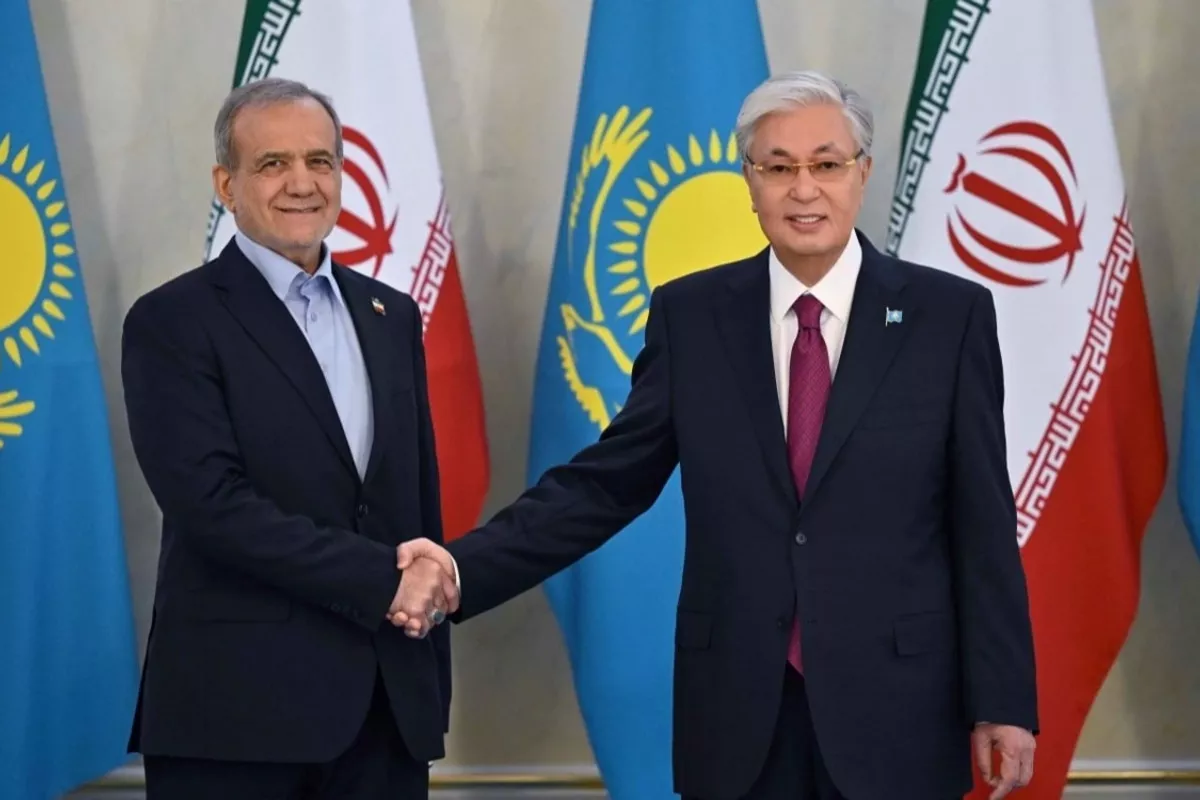
Breaking the Nuclear Deadlock: Kazakhstan’s Strategic Leverage in the US–Iran Ceasefire Negotiations
The current phase of back-channel diplomatic negotiations between Washington and Tehran has reached a critical juncture, with the final disposition of Iran’s highly enriched uranium stockpile emerging as the primary obstacle to a sustainable regional settlement. Following the military operations conducted by a joint United States and Israeli coalition against major Iranian nuclear sites,…

TWO MILESTONES IN HISTORY: Pakistan’s Nuclear tests – and the Conquest of Constantinople
The month of May has been important in history. On 28 May 1998, Pakistan became a nuclear power, the first and only country in the Muslim world to attain this status. Pakistan was constrained to conduct the tests after India carried out its provocative nuclear tests. This also needs to be noted in the…

Can Pakistan Save Us From World War 3?
It doesn’t take too much catastrophising to imagine a scenario where the America/Israel/Iran situation spirals rapidly downwards into a global conflict: if President Trump follows through on his threat to destroy Iran’s whole civilisation, China might see an existential threat to its energy supplies and Russia might see an opportunity to cause more mischief.…

The Invisible Crisis: The Vulnerability of the Indus Basin Aquifer
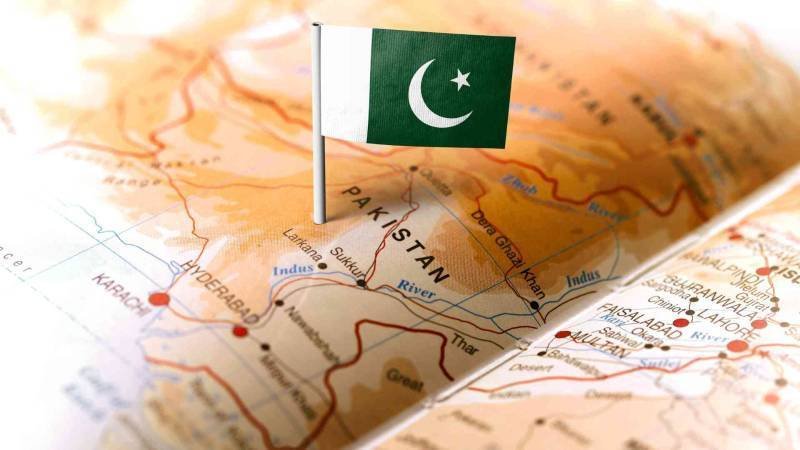
The Indus Basin, often termed the “lifeline” of Pakistan, is shifting from a state of water stress to absolute scarcity. While surface water fluctuations in the Indus River attract significant political and media attention, the Indus Basin Aquifer, a vast, transboundary reservoir of groundwater, is facing a silent, existential threat. This aquifer provides over…